Renewable Exergy
  • Home
  • Infographics
  • Offers
  • Home
  • Infographics
  • Offers
  • Privacy Policy
  • About us
  • Contact us
  • DMCA

Sunday, 12 March 2023

Exploring the Benefits of Solar Energy: Cost Savings, Environmental Impact, and More.

 March 12, 2023     Solar     No comments   

Solar energy is a renewable source of energy that is rapidly gaining attention around the world. This type of energy is generated by the use of photovoltaic (PV) panels that convert sunlight into electricity. Solar power is clean, sustainable and offers many benefits including cost savings, reduced environmental impact and improved energy security. In this blog, we will explore the advantages and disadvantages of solar energy and examine how solar energy is being used in India.

What is solar energy?

Solar energy is energy generated from the sun's radiation. This energy can be harnessed using a variety of technologies including PV panels, concentrated solar power (CSP), and solar water heaters. PV panels are the most common technology used to generate solar power, and they work by converting sunlight into electricity through a process called the photovoltaic effect.


Advantages of solar energy

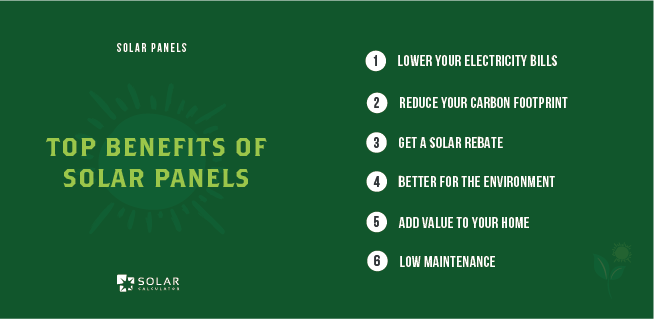
There are many advantages of using solar energy. One of the main advantages is cost savings. Once installed, solar panels can provide decades of free electricity, reducing or eliminating your electricity bill. Furthermore, solar power is a renewable source of energy, meaning it is continuously available and does not contribute to the depletion of natural resources.


Another advantage of solar power is its environmental impact. Solar power is clean, producing no harmful emissions or pollutants, unlike fossil fuels, which produce greenhouse gases and contribute to climate change. Solar power can also help reduce our dependence on fossil fuels, improve energy security, and reduce the risk of price volatility.

Solar energy in India

India is one of the leading countries in the world in the use of solar energy. The Government of India has set a target of achieving 100 GW of solar power capacity by 2022 with an investment of $100 billion. The responsibility of implementing this ambitious plan rests with the Solar Energy Corporation of India (SECI).

Solar energy has many uses in India, including powering homes, businesses and public buildings. Solar energy is also used in agriculture, where it can power irrigation systems and improve crop yields. In addition, solar energy is being used to power streetlights and other public infrastructure.

Disadvantages of solar energy

Although solar power offers many advantages, there are also some disadvantages that should be considered. One of the main disadvantages of solar energy is its intermittency. Solar panels generate electricity only when exposed to sunlight, so they cannot provide electricity at night or during cloudy weather. This means that solar energy must be stored in batteries or supplemented with other sources of energy to ensure a continuous power supply.

Another disadvantage of solar power is its high initial cost. While solar panels can provide cost savings over the long term, the initial installation cost can be prohibitively expensive for many homeowners and businesses. This has led to the development of innovative financing models such as leasing and power purchase agreements, which allow consumers to install solar panels without upfront costs.

Solar energy companies in India

There are several solar power companies in India, including Adani Solar, Tata Power Solar and Vari Energies. These companies specialize in the manufacture and installation of solar panels and other solar energy technologies. Many of these companies are publicly traded, with their stock available for purchase on Indian stock exchanges.


In short, solar power is a clean, sustainable and cost-effective source of energy that offers many benefits. It can help reduce our dependence on fossil fuels, improve energy security and reduce greenhouse gas emissions. However, solar power also has some disadvantages, including intermittency and high initial cost.

Solar energy projects

Despite the challenges, solar power is becoming an increasingly popular source of energy around the world. Governments, businesses and individuals are investing in solar power projects to take advantage of their many benefits. As technology improves and costs continue to fall, solar power is expected to play an even bigger role in meeting our energy needs in the future.

In conclusion, solar energy is a powerful and versatile source of energy that has the potential to transform our energy systems. Although there are some disadvantages to consider, the benefits of solar power, including cost savings, reduced environmental impact and improved energy security, make it an attractive option for governments, businesses and individuals around the world. With continued investment and innovation, solar power is set to play an even bigger role in meeting our energy needs in the years to come.

Read More
  • Share This:  
  •  Facebook
  •  Twitter
  •  Google+
  •  Stumble
  •  Digg

Friday, 3 March 2023

Perovskite Solar Cells: The Future of Solar Energy?

 March 03, 2023     Solar     No comments   


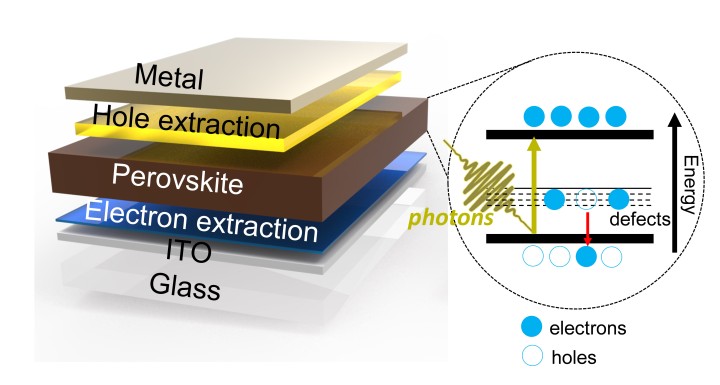
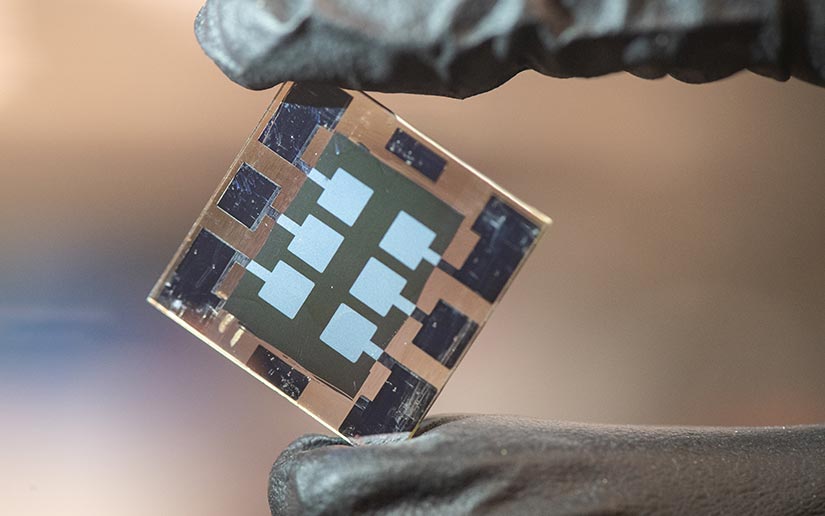
Perovskite solar cells have been the subject of intense research in recent years due to their high energy conversion efficiency and low production cost. They are a type of thin-film solar cell made using a material called perovskite, which has the chemical formula ABX3.

In the formula A represents a small organic molecule or metal cation, B represents a metal cation, and X represents a halide ion such as iodide or bromide. The perovskite material has unique properties that make it ideal for use in solar cells, including its ability to absorb a wide range of wavelengths of light and its high charge carrier mobility.


Perovskite solar cells have achieved record-breaking efficiency levels in a relatively short period of time. In 2009, the efficiency of the first perovskite solar cell was reported to be only 3.8%. As of 2018, this has increased to over 23%, which is close to the efficiency of conventional silicon-based solar cells. Researchers continue to work on improving the efficiency of perovskite solar cells and reducing their production cost, with the ultimate goal of making them a commercially viable alternative to silicon-based solar cells.


A major advantage of perovskite solar cells is their low cost of production. The materials used to make perovskite solar cells are relatively cheap and easy to obtain, making them an attractive option for large-scale solar panel manufacturing. Furthermore, perovskite solar cells can be manufactured using simple and scalable solution-based processes, which are much less complex than the high-temperature and high-vacuum processes used to make silicon-based solar cells. and are expensive.


Another advantage of perovskite solar cells is their flexibility. Because they are made using thin-film technology, they can be made into flexible and lightweight solar panels that can be used in a wide range of applications, including portable electronic devices and wearable technology. This makes them ideal for use in remote or off-grid locations where conventional solar panels may not be feasible.


Despite their many advantages, perovskite solar cells are still relatively new and have some challenges that need to be addressed before they can become a mainstream technology. One of the biggest challenges is their stability. Perovskite materials are inherently unstable, especially when exposed to moisture or oxygen, which can lead to degradation and decreased performance over time. The researchers are working on developing more stable perovskite materials and improving the encapsulation techniques used to protect the cells from environmental factors.


Another challenge is the scalability of perovskite solar cell production. While the solution-based processes used to make perovskite solar cells are simple and scalable, there are reproducibility and yield issues that need to be addressed before they can be mass-produced. Furthermore, the long-term durability and reliability of perovskite solar cells are still unknown, which may limit their commercial viability in the future.


In conclusion, perovskite solar cells have the potential to revolutionize the solar power industry by providing a low-cost, lightweight and flexible alternative to conventional silicon-based solar cells. While there are still challenges that need to be addressed before perovskite solar cells can become a mainstream technology, researchers are making significant progress in improving their efficiency, stability and scalability. With continued research and development, perovskite solar cells can play an important role in meeting the world's growing energy needs in a sustainable and environmentally friendly manner.

Read More
  • Share This:  
  •  Facebook
  •  Twitter
  •  Google+
  •  Stumble
  •  Digg

Sunday, 26 February 2023

Gravity Battery - A New Frontier in Energy Storage

 February 26, 2023     Energy storage     No comments   


 Introduction

The world today faces a critical need for clean and sustainable energy sources. Fossil fuels, which have been the mainstay of our energy production for decades, are not only finite but also emit greenhouse gases, contributing to climate change. The search for alternative energy sources has led to the development of various forms of renewable energy, including wind, solar, and hydroelectric power. However, renewable energy has a major limitation - it is intermittent and not always available when needed. Energy storage systems, therefore, play a critical role in ensuring a consistent and reliable supply of energy. One such energy storage system is the gravity battery.

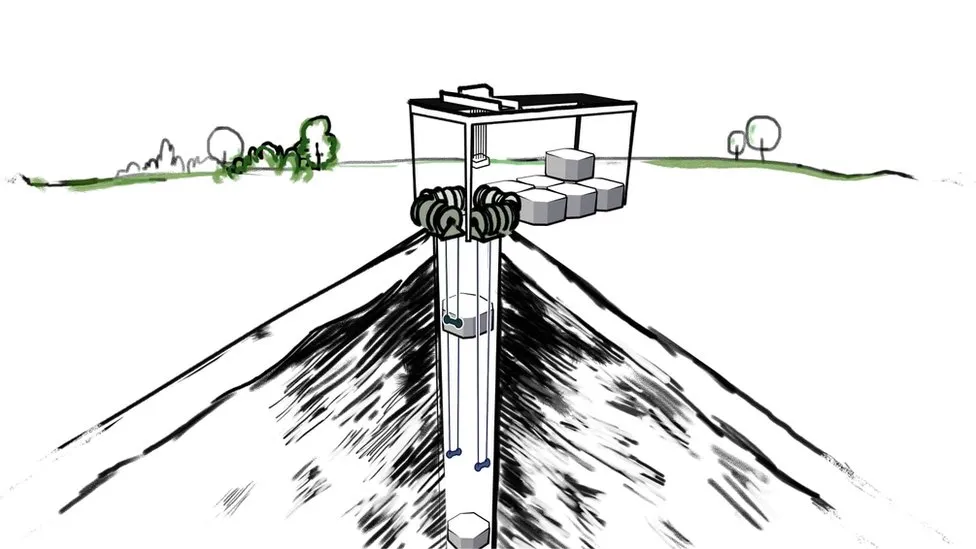
Gravity batteries are a type of energy storage system that utilizes the potential energy of elevated weights to store and generate electricity. The system consists of a set of weights that are lifted to a certain height, and then allowed to fall, generating electricity in the process. This form of energy storage has several potential advantages over other forms of energy storage, such as batteries.


Advantages of Gravity Batteries

One of the key advantages of gravity batteries is their ability to provide long-term energy storage without the need for expensive or environmentally harmful batteries. Gravity batteries are designed to last for decades and require little maintenance, making them an attractive option for applications that require long-term energy storage.

Another advantage of gravity batteries is scalability. They can be scaled up for large-scale grid applications, or scaled down for use in homes and businesses. This versatility makes them a potentially useful solution for a wide range of energy storage needs.

Finally, gravity batteries have the potential to play a key role in the transition to a more sustainable energy future. By providing a reliable and consistent source of energy storage, they can help to support the growth of renewable energy generation systems such as wind and solar power.


Approaches to Building a Gravity Battery

There are several approaches to building a gravity battery. One approach is to use a system of pulleys and weights. In this system, weights are lifted to a certain height using a pulley system and allowed to fall, generating electricity in the process.

Another approach is to use a hydraulic system using water. In this system, water is used to lift and lower weights, similar to a hydraulic system. The weight is lifted by pumping water into a cylinder and then allowed to fall by releasing the water from the cylinder.

There are also other potential approaches to building a gravity battery, such as using compressed air to lift and lower weights.


Challenges and Limitations of Gravity Batteries

Despite their potential advantages, gravity batteries also face several challenges and limitations. One major challenge is efficiency. Gravity batteries require energy to lift weights, which can reduce the overall efficiency of the system. Additionally, the generator used to convert the falling weight's potential energy into electricity may not be very efficient, further reducing the system's overall efficiency.

Another challenge is the cost of building and maintaining gravity battery infrastructure. While the long lifespan of gravity batteries makes them cost-effective in the long term, the initial investment required can be significant.

Finally, there are other challenges that need to be addressed, such as the potential environmental impact of gravity battery infrastructure, as well as the need for proper safety protocols to ensure the safe operation of the system.


Research and Development of Gravity Batteries

Despite these challenges, there have been several experimental gravity battery projects undertaken, some of which have shown promising results. For example, Gravity Power LLC developed the Gravity Power Module (GPM), which is a closed-loop system that uses water to lift and lower weights. The GPM has the potential to store large amounts of energy and could be used to provide backup power for grid-scale applications.

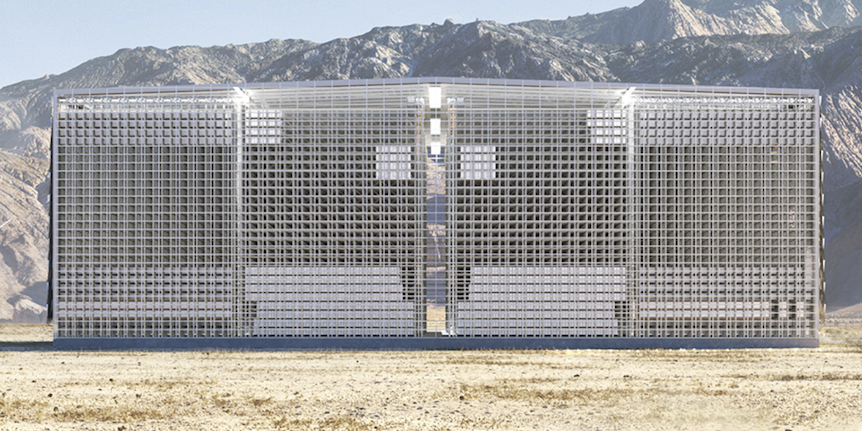
Another experimental gravity battery is the Energy Vault system, which uses concrete blocks to store energy. The blocks are lifted using a crane system and then released to generate electricity. The Energy Vault system has the potential to provide energy storage for large-scale renewable energy generation systems.

Research is ongoing to improve the efficiency and scalability of gravity battery technology. For example, researchers are exploring the use of advanced materials and designs to reduce the energy required to lift weights, as well as to improve the efficiency of the generator.


Future Potential of Gravity Batteries

The potential applications of gravity batteries are numerous. They could be used to provide backup power for grid-scale applications, ensuring a reliable and consistent supply of energy. They could also be used to store energy for off-grid communities, helping to bring sustainable and affordable energy to remote areas.

Gravity batteries could also play a role in supporting renewable energy generation systems. By providing reliable and consistent energy storage, they could help to improve the stability and reliability of the grid, making it easier to integrate large amounts of renewable energy into the system.


Conclusion

In conclusion, gravity batteries represent a promising new frontier in energy storage technology. While there are challenges and limitations to be addressed, the potential benefits of gravity batteries are significant. Continued research and development will likely lead to an increasingly important role in the transition to a more sustainable and resilient energy system. By providing long-term energy storage, scalability, and potential applications in a wide range of contexts, gravity batteries offer a promising solution to the challenges of energy storage in a world that is increasingly focused on sustainability and renewable energy.

Read More
  • Share This:  
  •  Facebook
  •  Twitter
  •  Google+
  •  Stumble
  •  Digg

Wednesday, 22 February 2023

Calculating the Cost of Installing Solar Panels for an Indian Home

 February 22, 2023     Solar     No comments   

 As the world moves towards sustainable and eco-friendly solutions, solar power has emerged as a viable alternative to traditional energy sources. In India, the government is promoting solar energy and offering subsidies to encourage people to switch to solar power. If you’re considering installing a solar PV system for your house, here’s how you can calculate the cost.


The cost of a solar PV system depends on various factors like the size of the system, the type of panels, and the installation charges. Here is an example of how you can calculate the cost for a 3kW system for an Indian house.

  1. Calculate the electricity consumption: The first step is to calculate the electricity consumption of your house. For this, you can look at your electricity bills for the last 12 months and determine the average monthly consumption. Let’s assume that your average monthly consumption is 300 units.
  2. Determine the system size: The next step is to determine the size of the solar PV system you need. A 3kW system is suitable for a house that has an average monthly consumption of 300 units. So, we’ll go with a 3kW system for this example.
  3. Calculate the cost of solar panels: The cost of solar panels varies based on the type and quality of the panels. For this example, let’s assume that the cost of the panels is Rs. 35 per watt. So, the total cost of the panels would be Rs. 1,05,000 (35*3000).
  4. Calculate the cost of other components: Apart from the panels, a solar PV system includes other components like inverters, batteries, and cables. The cost of these components would be around Rs. 40,000.
  5. Calculate the installation charges: The installation charges for a 3kW system would be around Rs. 30,000.
  6. Calculate the subsidy: The Indian government offers a subsidy of 40% on the cost of the solar PV system. So, the subsidy for this system would be Rs. 58,000.
  7. Calculate the net cost: The net cost of the system would be the total cost of the system minus the subsidy. So, the net cost would be Rs. 1,17,000 (1,45,000 - 58,000).

Here’s a table summarizing the cost calculation for a 3kW solar PV system for an Indian house.

Component Cost
Solar Panels Rs. 1,05,000
Inverters, batteries, cables Rs. 40,000
Installation Charges Rs. 30,000
Subsidy Rs. 58,000
Net Cost Rs. 1,17,000


In conclusion, the cost of a solar PV system for an Indian house depends on various factors, but it’s a one-time investment that can provide long-term benefits. With the government’s push towards renewable energy and the falling cost of solar panels, it’s the right time to switch to solar power.

Installing a solar PV system for your house not only helps reduce your carbon footprint but also helps you save money in the long run. The system will generate electricity for at least 25 years and the cost of the electricity generated is much lower than the cost of electricity from the grid.

In addition to the financial benefits, a solar PV system also adds value to your property. The system can be a selling point when you decide to sell your house.

While the initial investment for a solar PV system may seem high, it’s important to consider the long-term benefits. The payback period for a 3kW system is around 5 years, after which you’ll start saving money on your electricity bills.

To sum it up, installing a solar PV system for your Indian house is a smart investment that not only helps you save money but also contributes to a cleaner environment. So, if you’re considering switching to solar power, go ahead and make the move.


Read More
  • Share This:  
  •  Facebook
  •  Twitter
  •  Google+
  •  Stumble
  •  Digg

Calculating the Cost of Installing a Solar PV System: A Step-by-Step Guide

 February 22, 2023     Solar     No comments   

 Solar PV systems are becoming increasingly popular as a way to generate renewable energy and reduce reliance on traditional power sources. However, many people are unsure about the cost of installing a solar PV system. In this blog, we will provide a detailed guide on how to calculate the cost of the installation of a solar PV system.


Step 1: Determine your energy needs

Before you can calculate the cost of your solar PV system, you need to know how much energy you need. You can look at your utility bills to determine your energy consumption in kilowatt-hours (kWh) per month or year. This information will help you determine the size of the solar PV system you need.


Step 2: Choose the size of your solar PV system

Based on your energy needs, you can determine the size of the solar PV system you need. Solar panel systems are typically sized in kilowatts (kW) and can range from 1 kW to 10 kW or more. A larger system will generate more energy, but it will also be more expensive.


Step 3: Determine the type of solar panels

There are different types of solar panels, such as monocrystalline, polycrystalline, and thin film. Each type has its own pros and cons, and the cost can vary accordingly. Monocrystalline panels are the most efficient, but they are also the most expensive. Polycrystalline panels are slightly less efficient but more affordable. Thin-film panels are the least efficient but the most affordable. You can research and compare the different types to determine the best fit for your needs.


Step 4: Get quotes from solar installers

Once you have determined the size and type of solar PV system you want, you can contact solar installers to get quotes. The cost of installation will depend on the complexity of the installation, such as whether the panels need to be mounted on a roof or on the ground, as well as the labour costs in your area. Be sure to ask for a detailed breakdown of the costs, including the cost of the panels, the cost of installation, and any other fees or taxes.


Step 5: Calculate the total cost

Once you have received quotes from solar installers, you can calculate the total cost of your solar PV system by adding up the cost of the panels, the cost of installation, and any other fees or taxes. Be sure to factor in any incentives or rebates that may be available in your area, as these can help offset the cost of installation.


Step 6: Consider incentives and rebates

There may be incentives and rebates available in your area that can help offset the cost of your solar PV system. For example, the federal government offers a solar investment tax credit (ITC) that allows you to deduct up to 26% of the cost of your solar PV system from your federal taxes. Some states and local governments also offer incentives and rebates, such as cash rebates or property tax exemptions. You can research these programs and factor them into your calculations.


In conclusion, the cost of installing a solar PV system can vary widely depending on your specific circumstances. It's important to do your research and compare quotes from multiple installers to get the best price. By following the steps outlined above, you can determine the cost of installation of a solar PV system and make an informed decision about whether it's right for you. With solar energy, you can help reduce your carbon footprint and save money on your energy bills in the long run.

Read More
  • Share This:  
  •  Facebook
  •  Twitter
  •  Google+
  •  Stumble
  •  Digg
Newer Posts Older Posts Home

ez

Popular Posts

  • Exploring the Benefits of Solar Energy: Cost Savings, Environmental Impact, and More.
    Solar energy is a renewable source of energy that is rapidly gaining attention around the world. This type of energy is generated by the use...
  • Blowing Strong: The Benefits and Challenges of Using Wind Energy
      Introduction A brie f overview of wind energy and its importance as a renewable energy source Wind energy is the process of using the wind...
  • Metal Hydride Storage: A Promising Option for Hydrogen Storage
    Introduction: Hydrogen has the potential to be an important source of clean energy for transportation, industry, and residential application...

Recent Posts

Categories

  • Biofuel
  • Energy storage
  • Environment
  • Green energy
  • Hydro
  • Pollution
  • Solar
  • Wind

Blog Archive

  • ▼  2023 (16)
    • ▼  April (1)
      • We are the experts in renewable energy: Clean fact...
    • ►  March (6)
    • ►  February (6)
    • ►  January (3)
  • ►  2022 (3)
    • ►  October (1)
    • ►  August (1)
    • ►  July (1)
  • ►  2021 (8)
    • ►  May (2)
    • ►  April (3)
    • ►  March (2)
    • ►  February (1)

We are the experts in renewable energy: Clean facts you need to know

As experts in the field of renewable energy, they are committed to promoting the use of clean, sustainable energy sources to power our world...

Categories

Labels

  • Biofuel
  • Energy storage
  • Environment
  • Green energy
  • Hydro
  • Pollution
  • Solar
  • Wind

Popular Posts

  • Exploring the Benefits of Solar Energy: Cost Savings, Environmental Impact, and More.
  • Blowing Strong: The Benefits and Challenges of Using Wind Energy

Search This Blog

Powered by Blogger.

Report Abuse

  • Home

Copyright © Renewable Exergy | Powered by Blogger
Design by Hardeep Asrani | Blogger Theme by NewBloggerThemes.com | Distributed By Gooyaabi Templates