Renewable Exergy
  • Home
  • Infographics
  • Offers
  • Home
  • Infographics
  • Offers
  • Privacy Policy
  • About us
  • Contact us
  • DMCA
Showing posts with label Green energy. Show all posts

Tuesday, 11 April 2023

We are the experts in renewable energy: Clean facts you need to know

 April 11, 2023     Green energy     No comments   

As experts in the field of renewable energy, they are committed to promoting the use of clean, sustainable energy sources to power our world. We understand the importance of accurate and reliable information in helping people make informed decisions about their energy needs. In this article, we present the clean facts you need about renewable energy and why it is the best option for a sustainable future.

What is renewable energy?

Renewable energy is any form of energy generated from natural sources that replenish themselves over time, such as sunlight, wind, water, geothermal heat, and biomass. Unlike fossil fuels, which are limited and non-renewable, renewable energy sources have the potential to provide an infinite supply of clean, affordable energy.

Why choose renewable energy?

There are many advantages to choosing renewable energy over traditional fossil fuels. For example

  • Reducing greenhouse gas emissions: Burning fossil fuels releases carbon dioxide and other pollutants that contribute to climate change and air pollution. Renewable energy sources emit little or no greenhouse gases, making them a much cleaner option for the environment.
  • Saving money: Renewable energy is becoming increasingly cost-competitive with fossil fuels, and in some cases already cheaper. By investing in renewable energy, you can save money on your energy bills and reduce your dependence on volatile energy markets.
  • Creating Jobs: The renewable energy industry is a growing sector that is creating new jobs and opportunities for people around the world. By choosing renewable energy, you can help support a more sustainable and equitable economy.
  • Improving Energy Security: Renewable energy sources are widely distributed around the world and are not subject to the same geopolitical risks as fossil fuels. By investing in renewable energy, you can help increase energy security and reduce the risk of supply disruptions.

What are the different types of renewable energy?

There are many types of renewable energy, each with specific benefits and difficulties. Some examples of popular renewable energy sources include:

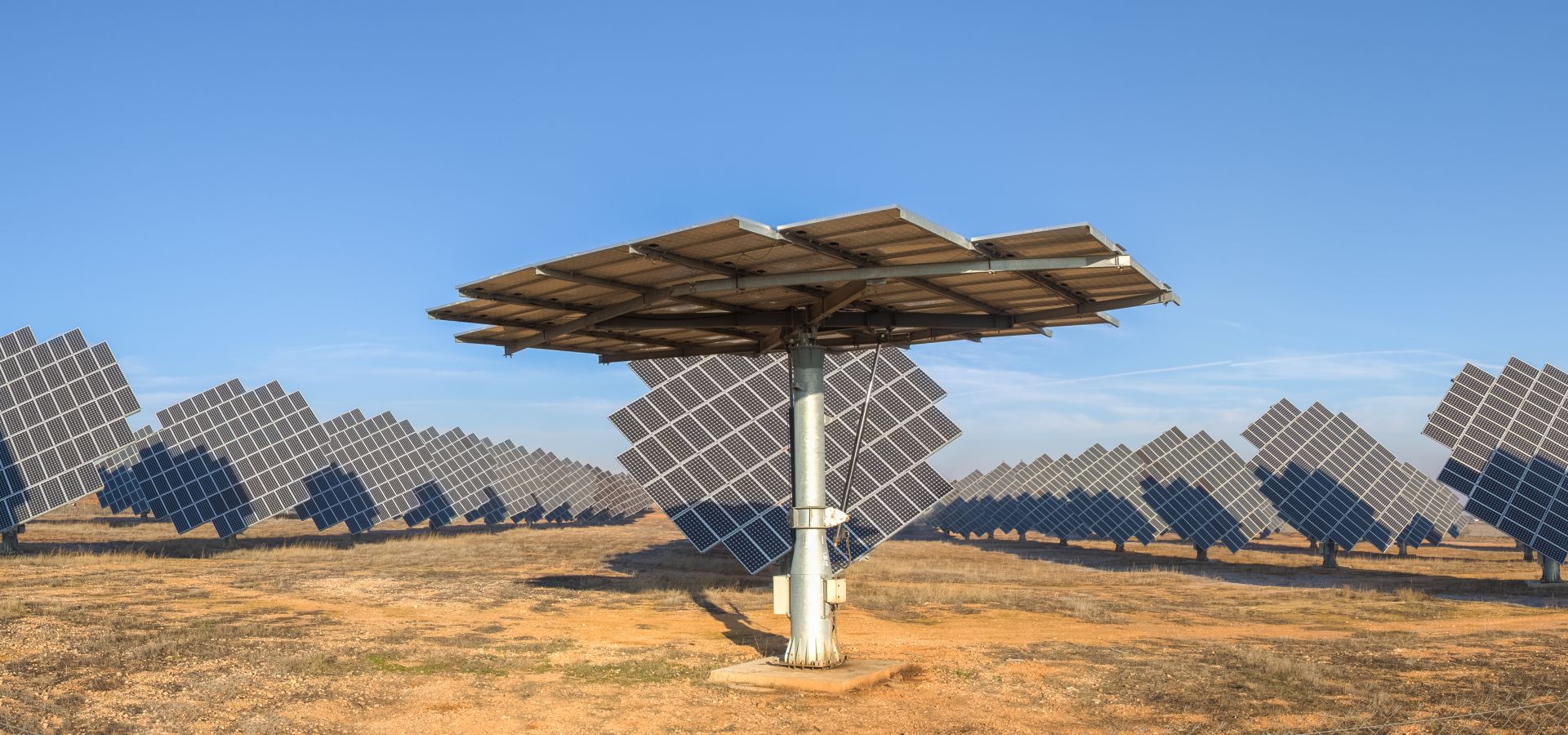
  • Solar Energy: Solar panels can be used to collect solar energy, which is emitted by the sun's rays. Solar power is a reliable and abundant source of energy that is becoming increasingly cost-effective and efficient.

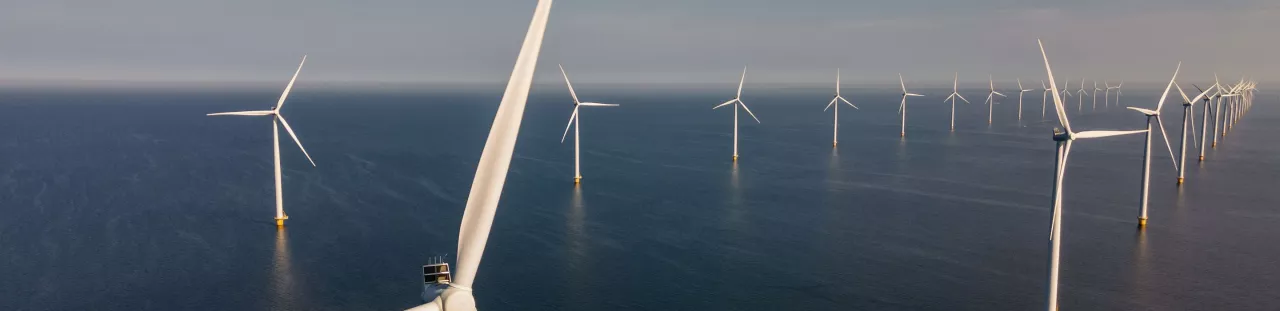
  • Wind Energy: Wind turbines can be used to capture wind energy, which is a byproduct of air movement. A safe and reliable energy source, wind power can be used to power buildings, neighborhoods and even entire cities.
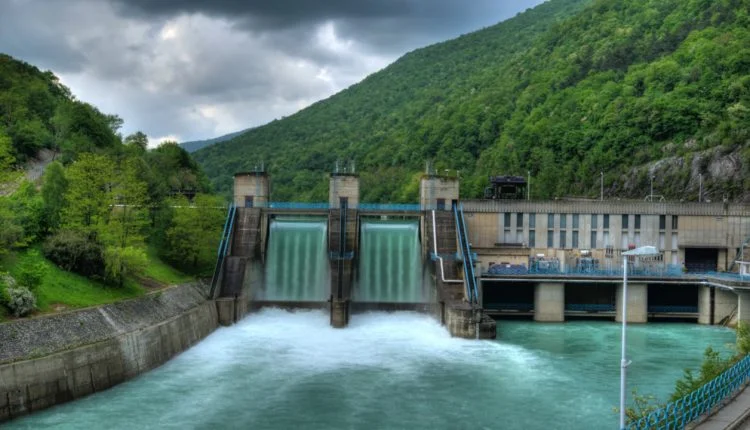
  • Hydropower: Geothermal power plants or ground source heat pumps can be used to generate geothermal energy, which is derived from the Earth's heat. Geothermal energy is a reliable and clean form of energy that can be used to generate electricity as well as heat and cool buildings.
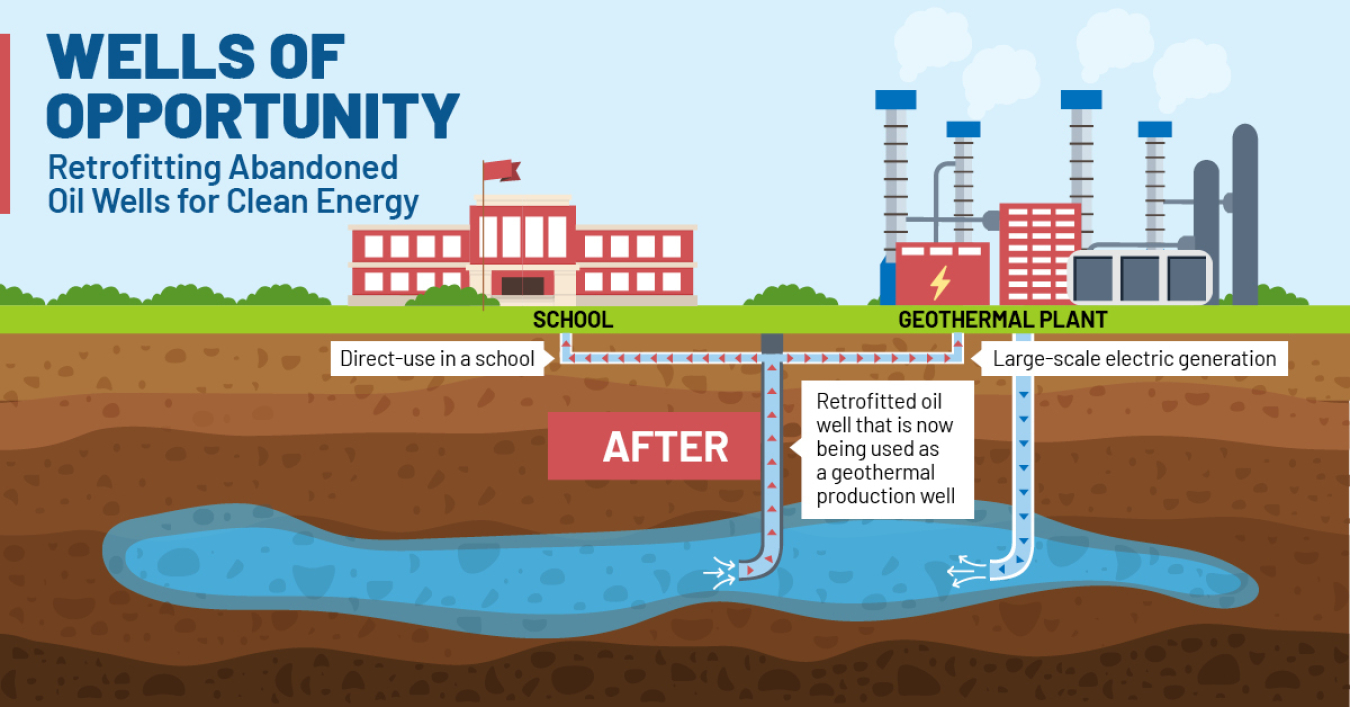
  • Geothermal Energy: Geothermal energy is derived from the heat of the Earth and can be harnessed through the use of geothermal power plants or ground source heat pumps. Geothermal energy is a clean and reliable source of energy that can provide both electricity and heating and cooling.
  • Biomass energy: Biomass energy can be used to generate heat, electricity or transportation fuel and is derived from biological resources such as wood, crop residues or garbage. Biomass is a sustainable energy source that can help cut down on waste and greenhouse gas emissions.
How can you switch to renewable energy?

It's easier than ever to switch to renewable energy, and many solutions exist to match your demands and budget. There are several ways to switch to renewable energy, including:

  1. Installing solar panels on your roof
  2. Joining a community solar program
  3. Purchasing renewable energy certificates (RECs)
  4. Choosing a green energy provider
  5. Investing in a renewable energy project

Conclusion

In short, using renewable energy to power our world is a clean, cost-effective and long-term solution. By switching to renewable energy, we can reduce our carbon footprint, save money, create jobs and build a more resilient and equitable future for all. We are committed to providing you with the knowledge, services and solutions you need to switch to renewable energy and help you reach your energy objectives. Learn more about switching to sustainable energy sources.

Read More
  • Share This:  
  •  Facebook
  •  Twitter
  •  Google+
  •  Stumble
  •  Digg

Tuesday, 14 March 2023

Hybrid Renewable Energy Sources: A Sustainable Solution for Reliable Electricity Production.

 March 14, 2023     Green energy     No comments   

The use of renewable energy sources has been gaining momentum in recent years, as the world moves towards more sustainable and eco-friendly forms of energy production. However, one of the main challenges with renewable energy sources such as solar and wind power is their intermittent nature. Hybrid renewable energy systems have emerged as a promising solution to address this challenge.


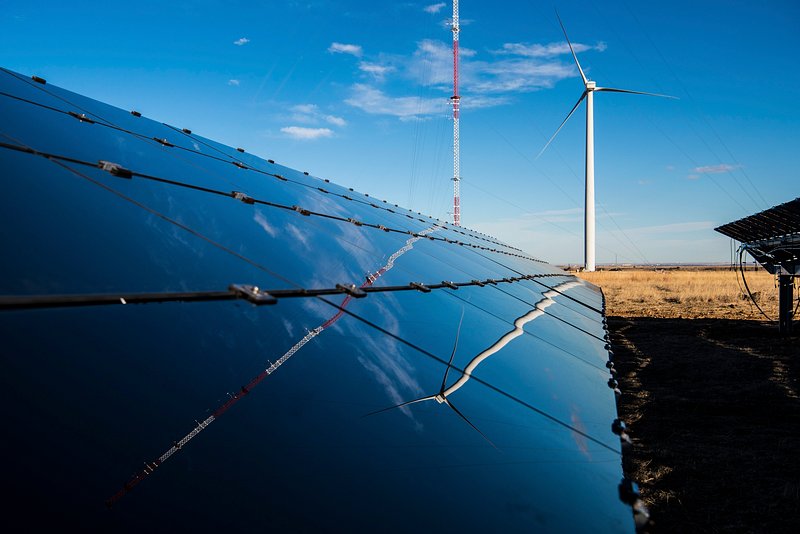
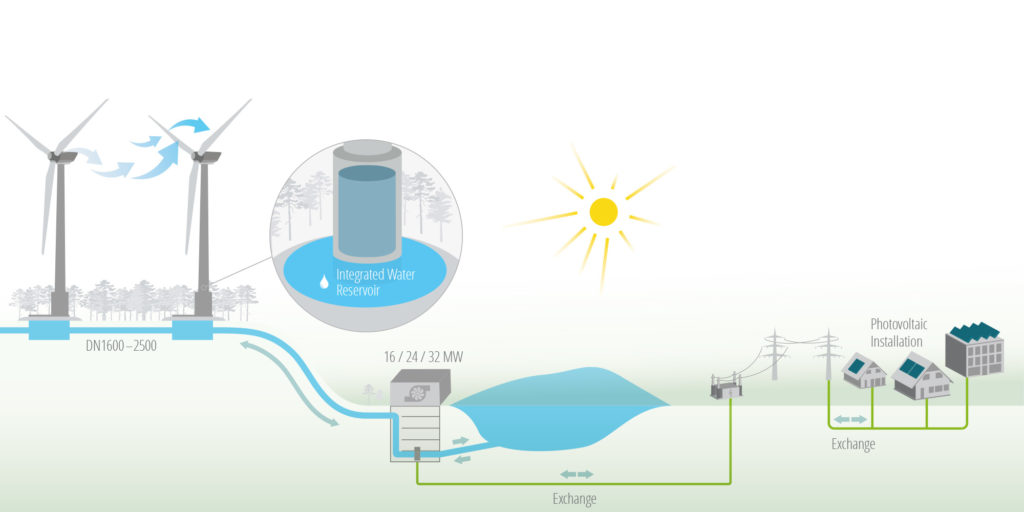
A hybrid renewable energy system is a combination of two or more renewable energy sources that work together to provide a stable and reliable supply of electricity. The most common hybrid renewable energy systems combine solar and wind power, as these two sources complement each other. Solar power is most abundant during the day, while wind power is strongest at night. By combining these two sources, a hybrid system can provide a more consistent and reliable supply of electricity.

There are many advantages to using hybrid renewable energy systems. First, they provide a more stable and reliable source of electricity than a single renewable energy source. This is because the combination of two or more sources helps to reduce the intermittent nature of renewable energy. Second, hybrid systems can be more cost-effective than relying on a single source of renewable energy. This is because different sources of renewable energy have different costs and efficiencies, and combining them can make the overall system more efficient and cost-effective. Finally, hybrid renewable energy systems may be more environmentally friendly than relying on non-renewable sources of energy. This is because they use renewable sources of energy that do not produce greenhouse gas emissions or other harmful pollutants.

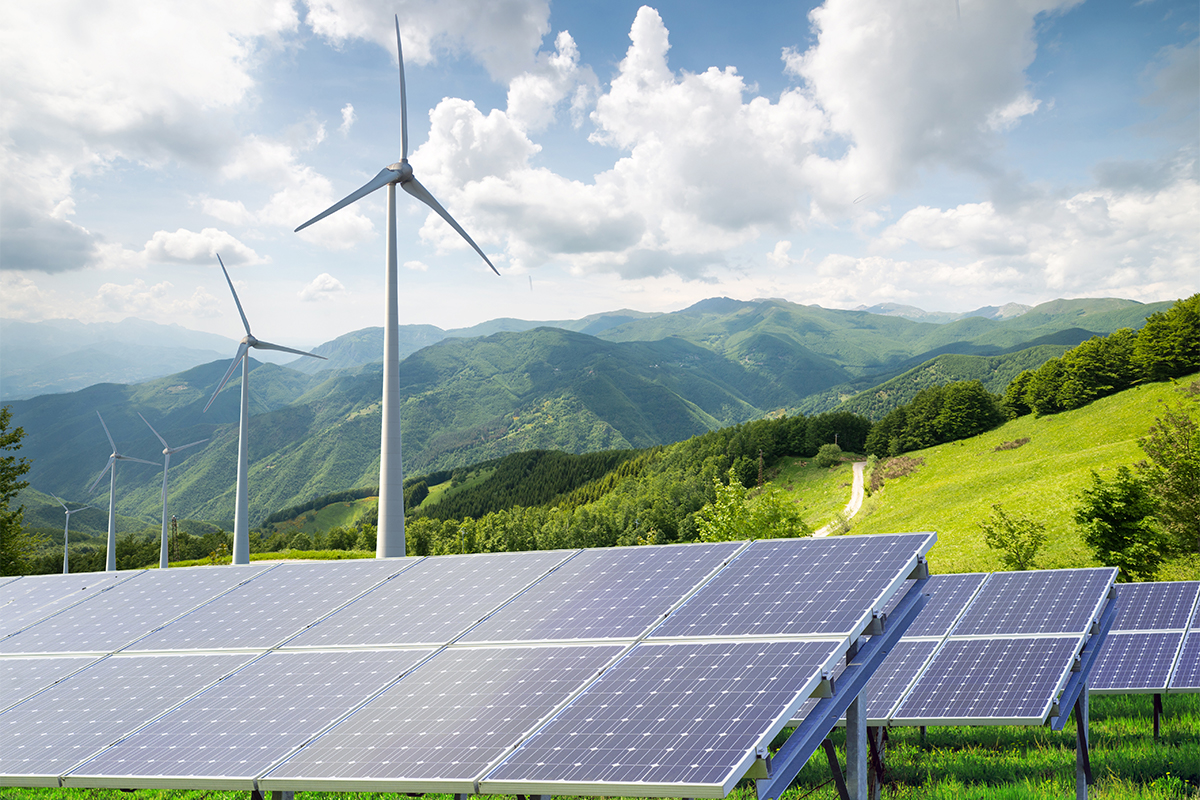
One of the most common types of hybrid renewable energy systems is the solar-wind hybrid system. In this type of system, a combination of solar panels and wind turbines are used to generate electricity. During the day, when the sun is shining, solar panels generate electricity. Also, wind turbines can continue to generate electricity, because the wind is stronger at higher altitudes where solar panels don't block it. During the night, when the sun is not shining, wind turbines can provide a more consistent supply of electricity. By combining these two sources, a solar-wind hybrid system can provide a stable and reliable supply of electricity throughout the day and night.


Another type of hybrid renewable energy system is the hydro-wind hybrid system. In this type of system, a combination of hydroelectric power and wind power is used to generate electricity. Hydroelectric power is generated by using the flow of water to rotate turbines, while wind power is generated by using wind to rotate turbines. By combining these two sources, a hydro-wind hybrid system can provide a more consistent and reliable supply of electricity, as the flow of water is generally more consistent than that of wind.


The third type of hybrid renewable energy system is the solar-hydro hybrid system. In this type of system, a combination of solar power and hydroelectric power is used to generate electricity. During the day, when the sun is shining, solar panels generate electricity. Also, water in a hydroelectric dam can be pumped to a greater height, thereby storing energy for later use. When power is needed at night or on cloudy days, water can be released from the dam through turbines to generate electricity. By combining these two sources, a solar-hydro hybrid system can provide a more stable and reliable supply of electricity.


There are many challenges in implementing hybrid renewable energy systems. One of the main challenges is the initial cost of setting up the system. Hybrid renewable energy systems can be more expensive to install than a single renewable energy source. However, over time, the cost of energy production may become less than relying on a single source of renewable energy, as the system may become more efficient and cost-effective.

Another challenge is the complexity of the system. Hybrid renewable energy systems require careful planning and design to ensure that the different sources of energy work together effectively. This may involve integrating different types of technology and coordinating their operation to ensure a reliable supply of electricity. Maintenance and repair of hybrid renewable energy systems can also be more complex, as multiple sources of energy need to be monitored and serviced.

Another challenge is the availability of suitable locations for hybrid renewable energy systems. These systems often require specific geographic and weather conditions to be effective. For example, a solar-wind hybrid system requires both sunlight and wind, while a hydro-wind hybrid system requires access to flowing water and consistent wind. Finding a suitable location for these systems can be challenging and may require a significant investment in infrastructure.

Despite these challenges, the benefits of hybrid renewable energy systems make them an attractive option for many countries and businesses. For example, in India the Ministry of New and Renewable Energy has launched a program to encourage the development of hybrid renewable energy systems. The program provides financial incentives and technical support to developers and aims to increase the share of renewable energy in the country's energy mix.

In the business sector, many companies are investing in hybrid renewable energy systems as part of their sustainability strategies. For example, Microsoft has invested in a hydro-wind hybrid system in Ireland, which uses a combination of wind turbines and a hydroelectric pumped-storage system to provide electricity to its data centers. The system is expected to reduce the company's carbon emissions by more than 90,000 metric tons per year.

In conclusion, hybrid renewable energy systems are a promising solution to the challenge of intermittent renewable energy sources. By combining two or more sources of renewable energy, these systems can provide a more stable and reliable supply of electricity. Although there are challenges in implementing these systems, the benefits make them an attractive option for many countries and businesses looking to reduce their carbon footprint and move towards more sustainable forms of energy production. As technology and infrastructure continue to improve, we can expect to see more hybrid renewable energy systems being developed and implemented around the world.

Read More
  • Share This:  
  •  Facebook
  •  Twitter
  •  Google+
  •  Stumble
  •  Digg

Investment in Green Hydrogen: This topic could examine the current state of investment in green hydrogen, both from the private and public sectors, and the challenges and opportunities for future growth and development.

 March 14, 2023     Green energy     No comments   

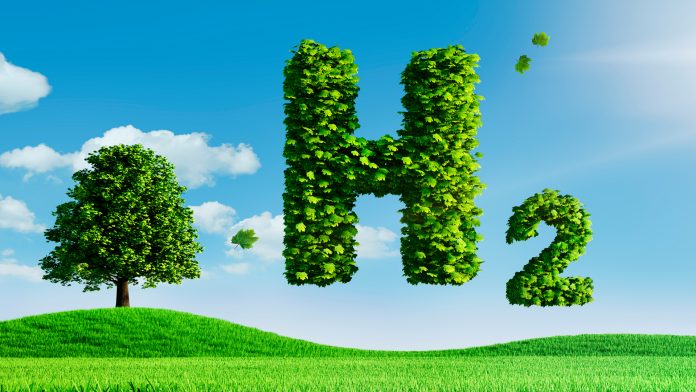
Green hydrogen is an emerging fuel that has the potential to revolutionize the energy sector. It is a clean, efficient and renewable source of energy that can be produced using only water and renewable electricity. Unlike conventional hydrogen, which is produced from fossil fuels, green hydrogen is produced from renewable energy sources, such as wind, solar and hydroelectric power. This means that it has a much smaller carbon footprint than conventional hydrogen, making it an important part of the transition to a more sustainable future.


What is Green Hydrogen?

Hydrogen is the most abundant element in the universe, and it is an important component of many important molecules, including water, hydrocarbons, and carbohydrates. In its purest form, hydrogen is a gas that is colourless, odorless and tasteless. It is also highly flammable, making it a potential source of energy.

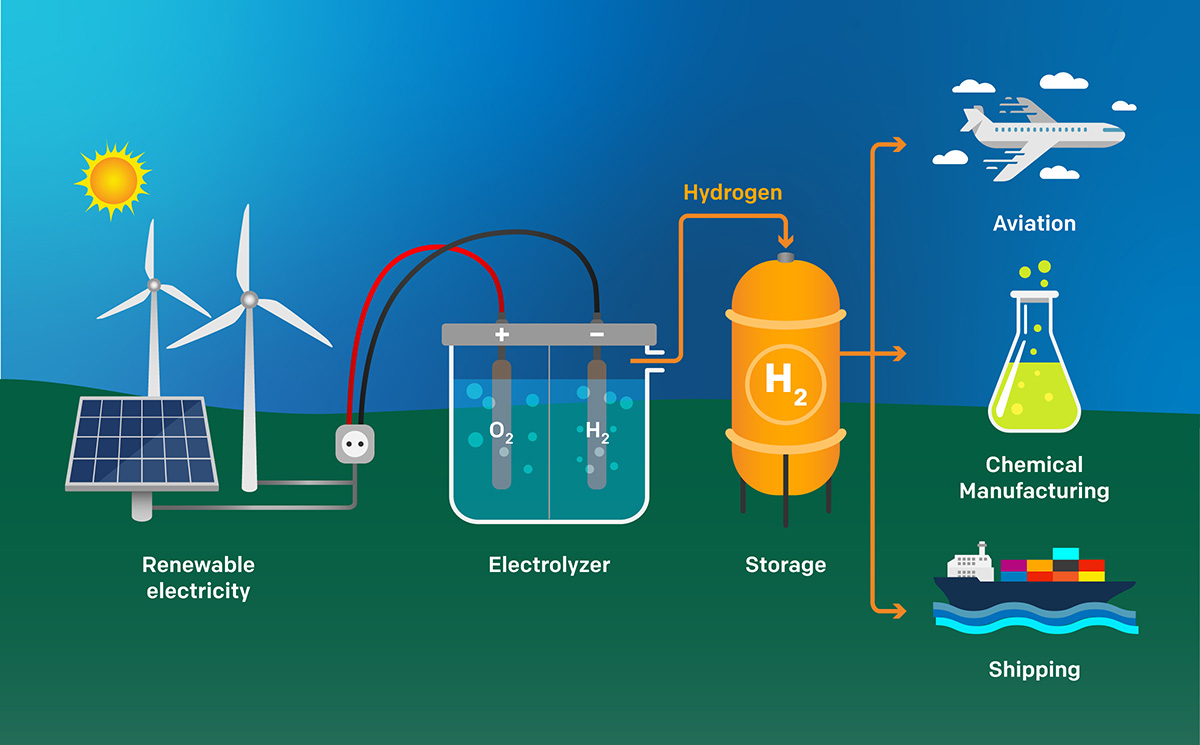
Green hydrogen is produced using renewable energy sources, such as wind, solar and hydroelectric power. This process involves using an electrolyzer to split water into hydrogen and oxygen. The hydrogen can then be stored and used as fuel, while the oxygen can be released back into the atmosphere.


Green hydrogen has several advantages over conventional hydrogen. Firstly, it is more hygienic and more durable. Conventional hydrogen is usually produced from fossil fuels, which release carbon dioxide and other greenhouse gases into the atmosphere. It contributes to climate change and other environmental problems. On the other hand, green hydrogen is produced using renewable energy sources, which have a very low carbon footprint.

Second, green hydrogen is more efficient. Since it is produced using renewable energy sources, it can be produced in a more decentralized manner depending on where it will be used. This reduces the need for long distance transportation of hydrogen, which can be costly and inefficient.

Ultimately, green hydrogen has the potential to be an important part of the transition toward a more sustainable future. As more countries and businesses commit to reducing their carbon footprint, they will need to find new and innovative ways to produce and use energy. Green hydrogen provides a solution that allows for a cleaner, more efficient and more sustainable energy system.


The Benefits of Green Hydrogen

Green hydrogen has many benefits that make it an attractive option for both consumers and businesses. This includes:

  1. Low Carbon Footprint: Green hydrogen is produced using renewable energy sources, which has a much lower carbon footprint than conventional hydrogen. This makes it an important part of the transition towards a more sustainable future.
  2. Energy storage: Hydrogen can be stored and used as a fuel, making it an important part of energy storage systems. This is especially useful for renewable energy sources like wind and solar, which come on intermittently.
  3. Decentralization: Because green hydrogen can be produced in a more decentralized manner, it reduces the need for long-distance transportation of hydrogen. This can be costly and ineffective, especially in areas where there is high demand for hydrogen.
  4. Versatility: Hydrogen can be used in a variety of applications including transportation, heating and power generation. This makes it a versatile fuel that can be used in many different industries.
  5. Job creation: The production and use of green hydrogen has the potential to create new jobs in the renewable energy sector, helping to stimulate economic growth and development.


Applications of Green Hydrogen

Green hydrogen has a wide range of applications, including:

  1. Transportation: Hydrogen fuel cells can be used to power cars, trucks, buses, and trains. It provides a clean and efficient alternative to conventional fossil fuels.
  2. Electricity generation: Hydrogen can be used in fuel cells to generate electricity. This is especially useful for remote areas with no access to the electricity grid.
  3. Heating: Hydrogen can be used to heat buildings, providing a clean alternative to traditional fossil fuels such as natural gas.
  4. Industry: Hydrogen can be used in industrial processes such as chemical production, metal refining, and glass manufacturing. This can help reduce emissions from these industries and contribute to a more sustainable future.
  5. Energy storage: Hydrogen can be stored and used as a fuel when renewable energy sources such as wind and solar are not available. This can help overcome the intermittent nature of these sources and provide a reliable source of energy.


Challenges of Green Hydrogen

While green hydrogen has many advantages, there are also many challenges that need to be addressed before it can become a mainstream energy source. This includes:

  1. Cost: The cost of producing green hydrogen is currently higher than conventional hydrogen. The reason for this is the high cost of renewable energy sources and the relatively low efficiency of electrolyzers. However, as the technology improves and economies of scale are achieved, the cost of green hydrogen is expected to come down.
  2. Infrastructure: A new infrastructure needs to be developed to produce, store and transport green hydrogen. This can be costly and time consuming, especially in areas where there is no existing infrastructure.
  3. Safety: Hydrogen is highly flammable and can be dangerous if not handled properly. Additional security measures need to be taken to ensure that it is handled safely.
  4. Scale-up: Production of green hydrogen is currently limited, and production needs to be scaled up to meet growing demand. This requires significant investment in research and development as well as infrastructure.
  5. Regulatory Framework: A regulatory framework needs to be developed to ensure that green hydrogen is produced and used safely and efficiently. It includes regulations related to the production, storage, transportation and use of green hydrogen.


Conclusion

Green hydrogen has the potential to revolutionize the energy sector, providing a clean, efficient and sustainable alternative to conventional fossil fuels. Although there are many challenges that need to be addressed, the benefits of green hydrogen are significant, and could play a key role in the transition to a more sustainable future. As the technology improves and economies of scale are achieved, the cost of green hydrogen is expected to drop, making it an attractive option for both consumers and businesses. With the right investments in research, development and infrastructure, green hydrogen has the potential to become a game-changer in the energy sector, helping to reduce emissions and build a more sustainable future.

Read More
  • Share This:  
  •  Facebook
  •  Twitter
  •  Google+
  •  Stumble
  •  Digg

Tuesday, 10 January 2023

Comparisons of the costs of renewable energy with those of fossil fuels

 January 10, 2023     Green energy     No comments   


Renewable energy has seen a significant increase in adoption over the past decade, with many countries around the world investing heavily in technologies like solar and wind power. One of the key factors driving this growth is the decreasing cost of renewable energy compared to fossil fuels. In this blog post, we'll take a closer look at the costs of renewable energy and compare them to those of fossil fuels to understand why more and more countries are making the switch.

First, let's consider the costs of fossil fuels. Coal, oil, and natural gas are the three primary fossil fuels used for electricity generation. The cost of these fuels can vary depending on a number of factors, including the location of the resource and the cost of extraction. However, on average, the cost of electricity generated from fossil fuels ranges from 3 to 10 cents per kilowatt-hour (kWh).

Now let's take a look at the costs of renewable energy. Solar and wind power are the two most common forms of renewable energy used for electricity generation. The cost of electricity generated from solar power can range from 4 to 12 cents per kWh, depending on the location of the installation and the type of technology used. The cost of electricity generated from wind power can range from 3 to 10 cents per kWh.

It's important to note that the cost of renewable energy has been rapidly decreasing in recent years, thanks to advancements in technology and economies of scale. According to the International Renewable Energy Agency (IRENA), the cost of solar power has dropped by 85% over the past decade and the cost of wind power has dropped by 41%.

When compared to fossil fuels, the costs of renewable energy are now competitive and in many cases even cheaper. These costs will continue to decrease as technology improves, making renewable energy even more cost-effective. With the increasing concerns about climate change and the need to reduce carbon emissions, the shift to renewable energy is becoming more and more urgent.

Another important factor to consider is the cost of storage. fossil fuels power plants continuously generate power when in operation, and any excess power can be dispatched to the grid. However, renewable energy sources like wind and solar power are intermittent and thus require energy storage solutions to capture excess energy during times of high production for use during times of low production. The current cost of these storage solutions is high but is also rapidly decreasing, especially for lithium-ion batteries.

In addition to the financial benefits of renewable energy, there are also important environmental benefits to consider. Fossil fuels are a significant contributor to climate change, producing large amounts of greenhouse gas emissions when burned for electricity generation. The use of renewable energy sources, on the other hand, produces minimal to no greenhouse gas emissions, making it a much more sustainable option.

In conclusion, renewable energy is becoming increasingly cost-competitive with fossil fuels. With costs dropping rapidly and technology improving, it is becoming more and more financially viable for countries to invest in renewable energy. The environmental benefits of renewable energy, coupled with its cost competitiveness, make it a clear choice for the future of electricity generation

Read More
  • Share This:  
  •  Facebook
  •  Twitter
  •  Google+
  •  Stumble
  •  Digg

The economic impact of renewable energy on job creation and local economies

 January 10, 2023     Green energy     No comments   


The shift towards renewable energy sources, such as solar and wind power, has been gaining momentum in recent years. This shift has been driven by concerns about climate change, as well as the falling costs of renewable technologies. One of the key benefits of this transition is the potential for renewable energy to drive job creation and economic growth in local communities.

One of the most significant ways in which renewable energy can create jobs is through the construction and installation of new renewable energy projects. The installation of solar panels and wind turbines, for example, requires a significant amount of labour, and this labour is typically sourced from the local community. This can lead to the creation of jobs for electricians, engineers, construction workers, and other skilled tradespeople. Additionally, the ongoing operation and maintenance of renewable energy projects can also create jobs for local residents.

In addition to creating jobs through the construction and operation of renewable energy projects, the shift to renewables can also lead to economic growth in other ways. For example, the development of a local renewable energy industry can lead to increased economic activity in related sectors, such as manufacturing and engineering. Additionally, the use of local renewable energy resources can reduce the need for fossil fuels, which are often imported from other regions. This can lead to a reduction in energy costs for local businesses and households, which can in turn boost economic growth and job creation.

However, it's important to note that the benefits of renewable energy on job creation and local economies may not be evenly distributed across all communities. The cost of renewable technologies, as well as other factors such as zoning regulations, can affect where and how renewable energy projects are developed. Some communities may have a greater potential for renewable energy development than others, which could lead to a greater benefit in terms of job creation and economic growth.

In terms of the specific job opportunities that the transition to renewable energy can bring, there are a wide range of roles that may be created. These roles can include installation and maintenance of solar panels and wind turbines, engineering and design of renewable energy systems, energy storage and grid management, and research and development of new technologies. In many cases, these jobs may require specialized training or education, but there are also opportunities for workers with transferable skills to transition to the renewable energy industry.

Additionally, the impact also depends on the current state of the economy and job market, as well as government policies and regulations that may support or hinder the growth of the renewable energy industry. However, overall renewable energy has been showing significant growth and is projected to create many job opportunities in the near future.

In conclusion, the shift towards renewable energy has the potential to create jobs and drive economic growth in local communities. However, the extent to which this occurs will depend on a variety of factors, including the cost of renewable technologies, local regulations, and the existing state of the economy and job market. Governments, industries, and local communities should work together to identify opportunities to create jobs and support economic growth through the transition to renewable energy.

Read More
  • Share This:  
  •  Facebook
  •  Twitter
  •  Google+
  •  Stumble
  •  Digg

Wednesday, 24 August 2022

India has become the third-largest ecologically friendly power country in the world, and Green energy is likely to overtake petroleum goods.

 August 24, 2022     Green energy     No comments   


Due to its advantages over petroleum derivatives, particularly in terms of the environment, green energy is quickly becoming the preferred choice for many countries. The global biological system has recently been seriously influenced by environmental change. Rising levels of greenhouse gases have led to dry seasons in many parts of the world, flooding in certain areas, and then timberland fires in Europe and other parts of the world. Green energy also offers more climate-friendly alternatives, replacing the negative effects of petroleum derivatives. When obtained from common resources, it is typically perfect and sustainable, emitting no or very little greenhouse gases and is frequently easy to access.

Since sustainable power sources are less expensive, more dependable, and more efficient over time, people tend to view them as logical alternatives to petroleum products, which are unreasonably dangerous for the environment and force us to significantly change how we create and use energy. New energy arrangements are essential to combat environmental change, one of the biggest threats to humanity's ability to survive.

Wind power currently holds the top spot among ecologically friendly energy sources, and it is followed in terms of productivity by geothermal, hydropower, atomic, and sunlight-based energy. However, with the passage of time and technological improvements, this ranking may soon change. India, the world's third-largest producer of sustainable energy, has set a lofty target of 175 GW of green electricity by the end of 2022, with plans to increase that to 500 GW by 2030.

Solar, wind, geothermal, biogas, low-impact hydroelectric, and a few other approved biomass sources are all examples of sources of green energy. The Indian legislature has found a number of ways to support the transition to renewable energy, including allowing foreign direct investment (FDI) up to 100% under the planned course, waiving the costs of the Inter State Transmission System (ISTS) for projects that must be operational by June 30th, 2025, setting up Ultra Mega Renewable Energy Parks to provide large-scale renewable energy production, and more.

Power from the sun, wind, geothermal, and other renewable sources is included in "green energy." Other steps have been taken, including the laying of new transmission lines and the creation of new sub-station limits with regard to the clearing of sustainable power, the establishment of a Project Development Cell to attract and work with ventures, and standard offering rules for duty-based serious offering processes for the acquisition of force from lattice-related solar- and wind-powered projects.

In order to ensure prompt payment by dispersion licensees to RE generators, the government has also ordered that power be sent against Letters of Credit (LC) or advance payments. Programs for skill development are also being used to create a talent pool of workers for the execution, activity, and support of RE projects.

Despite the aforementioned, some steps have been taken specifically to advance wind energy, such as the concessional custom obligation exclusion on certain parts required for the assembly of wind generators. Additionally, a Generation Based Incentive (GBI) is being provided to projects that were appointed as of the latest date of March 31, 2017. Specialized assistance is provided through the National Institute of Wind Energy in Chennai, including wind asset appraisal and identification of likely locations.

Prior to it, the Indian government outlined a plan for switching to green energy. In accordance with the Prime Minister's statement at COP26, the Ministry of New and Renewable Energy is working to reach the introduced power ceiling of 500 GW from non-petroleum product sources by 2030.

A board of trustees has been assembled by the Ministry of New and Renewable Energy to establish a roadmap for achieving a 500 GW non-petroleum derivative-based energy limit by 2030. The board includes representations from important offices in charge of renewable energy and power.

As of February 28, 2022, 152.90 GW of renewable energy projects, including large hydro, have been launched in the nation. These projects included 50.78 GW from solar energy, 40.13 GW from wind energy, 10.63 GW from biomass power, 4.84 GW from small hydropower, and 46.52 GW from large hydropower.

Additionally, the activities of the 72.61 GW limit are in various stages of execution, and the 21.11 GW limit are in various stages of offering. 


Could it ever completely replace petroleum-based products? The majority of individuals frequently ask this question. The advancements being made in the energy sector strongly suggest that green energy will soon be able to displace petroleum-based products. To achieve this goal, it might be necessary to use modified creations from diverse sources at several locations. For instance, geothermal energy is particularly effective in areas where it is simple to utilise this resource. Additionally, when available in sufficient quantities, such as in India, wind energy or solar electricity may be better suited to specific geographical areas.

In any case, there are numerous reasons to accept that petroleum products could be eliminated by combining various green energy sources to answer our problems and with the advancements that are being made in the construction and advancement of these assets. 

Although this event is still a few years away, it is still true that it is crucial to do so in order to slow down environmental change, address the climate, and transition to a more sustainable future.

The Indian government is constantly forging ties with diverse groups, organizations, and countries in order to expand the range of green energy sources. The Mahatma Phule Renewable Energy and Infrastructure Technology Ltd. (MAHAPREIT), a fully owned subsidiary of MPBCDC (49% owned by the Government of India and 51% claimed by the Government of Maharashtra), and the Indian Renewable Energy Development Agency Ltd. (IREDA), signed a memorandum of understanding. Additionally, other organizations
 and state legislatures are making a variety of efforts in this direction.

Read More
  • Share This:  
  •  Facebook
  •  Twitter
  •  Google+
  •  Stumble
  •  Digg

Sunday, 10 July 2022

The future of renewable energy is being altered by these technology

 July 10, 2022     Green energy     No comments   

The future of renewable energy is being altered by these technology.


Thanks to declining prices and growing demand for greener energy sources, the market for sustainable power is transforming. The next five technological developments will have an immediate impact on business.

 Environmentally friendly power production has upended international commercial sectors, and change brought on by renewable energy continues to move extremely quickly. Indeed, not too long ago, few people would have predicted the scope of the recent developments made to aid nations in beginning the process of decarbonizing their economies or expected well-known companies like Google to invest sizable sums in solar energy projects.

Some of these developments have been consistent, while others have been unexpected. Others are just getting started, and people aren't yet fully aware of how important they are. Here are five of the most significant trends and developments in sustainable power. Over the previous 10 years, some have significantly changed the energy sector, while others are about to cause disruptions.

Solar and Wind


For the most part, wind turbines and solar-powered chargers address the future of ecologically friendly energy. The two power sources are seen in many rural areas and have transformed the market.

"The greatest impact has been wind and solar-driven advancements, resulting in an extraordinarily quick decline in power creation expenses," says Petteri Laaksonen, Research Director at Finland's Lappeenranta-Lahti University of Technology's School of Energy Systems (LUT). According to the International Energy Agency, environmentally friendly power is expected to make up 30% of the world's energy by 2024, with the majority of this driven by solar and wind energy extensions that continue to be carried out at a remarkable rate. This is an advancement in the use of solar-powered chargers, which accounted for 60% of the 2019 sustainable power limit. Indeed, even innovation behemoths like Apple, Google, and Amazon have invested in solar energy.

Energy storage


The ability of energy storage to accelerate the transition to renewables has been widely studied in logical circles and appears to be crucial in the next few years. "Energy capacity will be necessary in the framework due to changing wind and sun focused creation," Laaksonen explains. "There are various energy storage advancements, and the competence is to integrate them in a framework."

Distributed Generation

The rising rationality and importance of a purported digital age is causing a peaceful upheaval in the sector of renewables. This represents the age of local power, whether in the retail or corporate sectors: from solar chargers on private residences to plants that use aggregated intensity and power frameworks. There are numerous advantages to raising the age of conveyed power, ranging from less reliance on unitary power sources to boosting lattice dependability and making restricted-scope sustainable power sources practical. Circulated age is substantially more successful when combined with smart frameworks, which are monitored by PCs to adjust transmission. There has been rapid growth in conveyed age recently, and this is expected to continue; according to one estimate, the disseminated age market will be valued at EUR 147.5 billion by 2026.

Power-to-X


One of the game-changing new discoveries, Power-to-X, is an umbrella name for numerous cycles that convert power into intensity, hydrogen, or limitless produced fillers. It provides a great opportunity to speed the transition to renewables by ramping up tailored fuel production and rapidly reducing petroleum derivative emissions in industries ranging from steel production and food production to synthetics and compost.The invention can also play an important role in addressing long-haul energy capacity issues, such as regulating the highs and lows in supply from sustainable sources. "Power-to-X is necessary since re-investing in complete frameworks and innovations (avionics, delivery, rock solid, and, shockingly, electric automobiles) is absurd in the next twenty years when we truly want to realise the transformation," adds Laaksonen.

Electrification

Experts agree that the growth of jolt in the coming decades will accelerate the transition to renewables. According to some estimates, the renewables-based zap of European industry, structures, and movement will allow the continent to reduce its energy-related CO2 emissions by 90% by 2050.This pattern is now discernible. For example, installing a world-first 100 MW of utility-scale transmission-associated energy capacity close to high-volume power associations will enable a public organisation of quick electric vehicle charging stations. The project is expected to have a significant role in hastening the UK's energy progress push toward net-zero discharges by 2050. Laaksonen emphasises that new uses for power will emerge, such as the production of hydrogen from water via electrolysis, the reuse of carbon dioxide by air capture, and the production of nitrogen for composts via air capture. He expects that in the long run, power demand in European countries might increase by 3–4 times, but the cost will decrease (because of the boom in sustainable power). Change to electricity is critical to decarbonizing economies, but there are additional, more subtle, knock-on effects, such as improved energy security (autonomy from petroleum product exporters) and improved urban air quality.

Read More
  • Share This:  
  •  Facebook
  •  Twitter
  •  Google+
  •  Stumble
  •  Digg

Sunday, 11 April 2021

Sustainable Energy

 April 11, 2021     Green energy     No comments   

What is Sustainable Energy?

Sustainable energy is a type of energy that fulfills our present need for energy without placing them at risk of getting terminated or drained and can be utilized again and again in the future. Sustainable energy ought to be generally energized as it doesn't make any damage to the climate and is accessible broadly liberated from cost. All environmentally friendly power sources like sun-oriented, wind, geothermal, hydropower, and sea energy are manageable as they are steady and accessible in bounty. 

Sun will keep on giving daylight till we as a whole are here on earth, heat brought about by the sun will keep on delivering winds, the earth will keep on creating heat from inside and won't chill off at any point in the near future, development of the earth, sun, and the moon won't stop, and this will continue delivering tides.


The cycle of dissipation will make water vanish that will tumble down as downpour or ice which will go through waterways or streams and converge in the seas and can be utilized to create energy through hydropower. This unmistakably expresses that every one of these environmentally friendly power sources is manageable and will keep on giving energy to the coming ages.
There are numerous types of practical fuel sources that can be fused by nations to stop the utilization of petroleum derivatives. Sustainable energy does exclude any sources that are gotten from petroleum derivatives or byproducts. This energy is replenishable and assists us with lessening ozone-depleting substance emanations and makes no harm to the climate. On the off chance that we will utilize non-renewable energy sources at a consistent rate, they will lapse soon and cause antagonistic consequences for our planet.
Petroleum products are not considered Sustainable fuel sources since they are restricted, cause colossal contamination by delivering hurtful gases, and are not accessible wherever on earth. Petroleum products regularly incorporate coal, oil, and flammable gas. Steps should be taken to diminish our reliance on petroleum derivatives as a posture risky to the climate. The majority of the provinces have effectively begun finding a way ways to utilize elective fuel sources.
As of today, around 20% of the world's energy needs come from environmentally friendly power sources. Hydropower is the most widely recognized type of elective energy utilized all throughout the planet.

Need For Sustainable Energy

During antiquated occasions, wood, lumber, and byproducts were the solitary significant fuel sources. So, biomass was the best way to get energy. At the point when more innovation was created, petroleum products like coal, oil, and flammable gas were found. Petroleum products demonstrated a help to humankind as they were generally accessible and could be outfit without any problem. 

At the point when these petroleum derivatives were begun utilizing broadly by every one of the nations across the globe, they prompted the corruption of the climate. Coal and oil are two of the significant sources that produce a lot of carbon dioxide noticeable all around. This prompted an expansion in an Earth-wide temperature boost. 

Likewise, barely any nations have hung on these important items, which prompted the ascent in the costs of these fills. Presently, rising costs, expanding air contamination, and the danger of getting lapsed before long constrained researchers to pay special mind to some other option or environmentally friendly power sources. 

The need of great importance was to search for assets that are accessible generally, cause no contamination, and are replenishable. Sustainable Energy, around then, came into the image as it could fulfill our present expanding need for energy and furthermore give us a choice to utilize them later on moreover. We should see the advantages-

1. Fight Against Climate Change

Renewables produce nearly nothing or don't discharge ozone-depleting substances in energy age measures, making them the cleanest, most feasible answer for forestall natural corruption. Worldwide expansions in petroleum derivative-based street transport, modern movement, and force age add to raised degrees of air contamination. Environmentally friendly power emanates no or low air poisons. That is better for our well-being.

2. Inexhaustible Source of Energy

Environmentally friendly power is energy gotten from regular assets that renew themselves throughout some stretch of time without draining the Earth's assets. These assets likewise have the advantage of being bountiful, accessible in some limits almost all over, and they cause close to nothing, assuming any, ecological harm. 

Energy from the sun, wind, and nuclear power put away in the Earth's hull are models. This makes them a fundamental component in a sustainable energy framework that permits advancement today without taking a chance with that of people in the future.

3. Reduces Energy Dependence on Fossil Fuels

Developing energy markets and international vulnerability have moved energy security and energy foundation versatility to the bleeding edge of numerous public energy procedures. 

The naive idea of clean sources gives nearby economies a benefit and carries importance to the expression "energy autonomy". Reliance on petroleum derivative imports brings about subjection to the financial and political transient objectives of the provider country, which can bargain the security of energy supply. 

Wherever on the planet, there is an inexhaustible asset whether that is the breeze, sun, water, or natural material accessible for delivering energy reasonably.

4. Increasingly Competitive

Renewables are currently the most expensive serious wellspring of force in numerous pieces of the world, and inexhaustible force represented the greater part of all limit increases in the worldwide force area since the most recent decade. Activities on these fronts are well in progress, as featured by the declarations included. 

The principle inexhaustible innovations, for example, wind and sun based photovoltaic, are definitely lessening their expenses and are completely serious with customary sources in a developing number of areas. Economies of scale and advancement are as of now bringing about sustainable power sources turning into the most sustainable arrangement naturally yet in addition financially as far as low expenses at keeping energy costs at moderate levels.

5. A Favorable Political Horizon

Decisions adopted at COP21 are for sustainable power sources. The worldwide local area has perceived its commitment to solidify the progress towards a low-carbon economy to ensure a sustainable future for the planet. The global agreement for the "de-carbonization" of the economy establishes an entirely ideal system for the advancement of clean energy advances.

6. Creates Jobs Developing Local Community

The biggest piece of environmentally friendly power speculations is spent on materials and workmanship to fabricate and keep up the offices, instead of on exorbitant energy imports. Environmentally friendly power speculations are generally spent inside the mainland, habitually in a similar country, and frequently in a similar town. This implies the cash residents cover on their energy bills remains at home to make occupations and fuel the nearby economy.
Read More
  • Share This:  
  •  Facebook
  •  Twitter
  •  Google+
  •  Stumble
  •  Digg
Older Posts Home

ez

Popular Posts

  • Exploring the Benefits of Solar Energy: Cost Savings, Environmental Impact, and More.
    Solar energy is a renewable source of energy that is rapidly gaining attention around the world. This type of energy is generated by the use...
  • Blowing Strong: The Benefits and Challenges of Using Wind Energy
      Introduction A brie f overview of wind energy and its importance as a renewable energy source Wind energy is the process of using the wind...
  • Metal Hydride Storage: A Promising Option for Hydrogen Storage
    Introduction: Hydrogen has the potential to be an important source of clean energy for transportation, industry, and residential application...

Recent Posts

Categories

  • Biofuel
  • Energy storage
  • Environment
  • Green energy
  • Hydro
  • Pollution
  • Solar
  • Wind

Blog Archive

  • ▼  2023 (16)
    • ▼  April (1)
      • We are the experts in renewable energy: Clean fact...
    • ►  March (6)
    • ►  February (6)
    • ►  January (3)
  • ►  2022 (3)
    • ►  October (1)
    • ►  August (1)
    • ►  July (1)
  • ►  2021 (8)
    • ►  May (2)
    • ►  April (3)
    • ►  March (2)
    • ►  February (1)

We are the experts in renewable energy: Clean facts you need to know

As experts in the field of renewable energy, they are committed to promoting the use of clean, sustainable energy sources to power our world...

Categories

Labels

  • Biofuel
  • Energy storage
  • Environment
  • Green energy
  • Hydro
  • Pollution
  • Solar
  • Wind

Popular Posts

  • Exploring the Benefits of Solar Energy: Cost Savings, Environmental Impact, and More.
  • Blowing Strong: The Benefits and Challenges of Using Wind Energy

Search This Blog

Powered by Blogger.

Report Abuse

  • Home

Copyright © Renewable Exergy | Powered by Blogger
Design by Hardeep Asrani | Blogger Theme by NewBloggerThemes.com | Distributed By Gooyaabi Templates