Renewable Exergy
  • Home
  • Infographics
  • Offers
  • Home
  • Infographics
  • Offers
  • Privacy Policy
  • About us
  • Contact us
  • DMCA

Tuesday, 10 January 2023

Comparisons of the costs of renewable energy with those of fossil fuels

 January 10, 2023     Green energy     No comments   


Renewable energy has seen a significant increase in adoption over the past decade, with many countries around the world investing heavily in technologies like solar and wind power. One of the key factors driving this growth is the decreasing cost of renewable energy compared to fossil fuels. In this blog post, we'll take a closer look at the costs of renewable energy and compare them to those of fossil fuels to understand why more and more countries are making the switch.

First, let's consider the costs of fossil fuels. Coal, oil, and natural gas are the three primary fossil fuels used for electricity generation. The cost of these fuels can vary depending on a number of factors, including the location of the resource and the cost of extraction. However, on average, the cost of electricity generated from fossil fuels ranges from 3 to 10 cents per kilowatt-hour (kWh).

Now let's take a look at the costs of renewable energy. Solar and wind power are the two most common forms of renewable energy used for electricity generation. The cost of electricity generated from solar power can range from 4 to 12 cents per kWh, depending on the location of the installation and the type of technology used. The cost of electricity generated from wind power can range from 3 to 10 cents per kWh.

It's important to note that the cost of renewable energy has been rapidly decreasing in recent years, thanks to advancements in technology and economies of scale. According to the International Renewable Energy Agency (IRENA), the cost of solar power has dropped by 85% over the past decade and the cost of wind power has dropped by 41%.

When compared to fossil fuels, the costs of renewable energy are now competitive and in many cases even cheaper. These costs will continue to decrease as technology improves, making renewable energy even more cost-effective. With the increasing concerns about climate change and the need to reduce carbon emissions, the shift to renewable energy is becoming more and more urgent.

Another important factor to consider is the cost of storage. fossil fuels power plants continuously generate power when in operation, and any excess power can be dispatched to the grid. However, renewable energy sources like wind and solar power are intermittent and thus require energy storage solutions to capture excess energy during times of high production for use during times of low production. The current cost of these storage solutions is high but is also rapidly decreasing, especially for lithium-ion batteries.

In addition to the financial benefits of renewable energy, there are also important environmental benefits to consider. Fossil fuels are a significant contributor to climate change, producing large amounts of greenhouse gas emissions when burned for electricity generation. The use of renewable energy sources, on the other hand, produces minimal to no greenhouse gas emissions, making it a much more sustainable option.

In conclusion, renewable energy is becoming increasingly cost-competitive with fossil fuels. With costs dropping rapidly and technology improving, it is becoming more and more financially viable for countries to invest in renewable energy. The environmental benefits of renewable energy, coupled with its cost competitiveness, make it a clear choice for the future of electricity generation

Read More
  • Share This:  
  •  Facebook
  •  Twitter
  •  Google+
  •  Stumble
  •  Digg

The economic impact of renewable energy on job creation and local economies

 January 10, 2023     Green energy     No comments   


The shift towards renewable energy sources, such as solar and wind power, has been gaining momentum in recent years. This shift has been driven by concerns about climate change, as well as the falling costs of renewable technologies. One of the key benefits of this transition is the potential for renewable energy to drive job creation and economic growth in local communities.

One of the most significant ways in which renewable energy can create jobs is through the construction and installation of new renewable energy projects. The installation of solar panels and wind turbines, for example, requires a significant amount of labour, and this labour is typically sourced from the local community. This can lead to the creation of jobs for electricians, engineers, construction workers, and other skilled tradespeople. Additionally, the ongoing operation and maintenance of renewable energy projects can also create jobs for local residents.

In addition to creating jobs through the construction and operation of renewable energy projects, the shift to renewables can also lead to economic growth in other ways. For example, the development of a local renewable energy industry can lead to increased economic activity in related sectors, such as manufacturing and engineering. Additionally, the use of local renewable energy resources can reduce the need for fossil fuels, which are often imported from other regions. This can lead to a reduction in energy costs for local businesses and households, which can in turn boost economic growth and job creation.

However, it's important to note that the benefits of renewable energy on job creation and local economies may not be evenly distributed across all communities. The cost of renewable technologies, as well as other factors such as zoning regulations, can affect where and how renewable energy projects are developed. Some communities may have a greater potential for renewable energy development than others, which could lead to a greater benefit in terms of job creation and economic growth.

In terms of the specific job opportunities that the transition to renewable energy can bring, there are a wide range of roles that may be created. These roles can include installation and maintenance of solar panels and wind turbines, engineering and design of renewable energy systems, energy storage and grid management, and research and development of new technologies. In many cases, these jobs may require specialized training or education, but there are also opportunities for workers with transferable skills to transition to the renewable energy industry.

Additionally, the impact also depends on the current state of the economy and job market, as well as government policies and regulations that may support or hinder the growth of the renewable energy industry. However, overall renewable energy has been showing significant growth and is projected to create many job opportunities in the near future.

In conclusion, the shift towards renewable energy has the potential to create jobs and drive economic growth in local communities. However, the extent to which this occurs will depend on a variety of factors, including the cost of renewable technologies, local regulations, and the existing state of the economy and job market. Governments, industries, and local communities should work together to identify opportunities to create jobs and support economic growth through the transition to renewable energy.

Read More
  • Share This:  
  •  Facebook
  •  Twitter
  •  Google+
  •  Stumble
  •  Digg

Monday, 2 January 2023

Blowing Strong: The Benefits and Challenges of Using Wind Energy

 January 02, 2023     Wind     No comments   

  Introduction

A brief overview of wind energy and its importance as a renewable energy source

Wind energy is the process of using the wind to generate electricity. This is done using wind turbines, which are large mechanical structures with rotor blades that turn in the wind. The rotational energy of the blades is converted into electricity by a generator located in the turbine's hub.

Wind energy is considered a renewable energy source because it is fueled by the wind, which is a natural and abundant resource. It is also considered a clean energy source because it does not produce greenhouse gases or other air pollutants when it is generated.

Wind energy is increasingly being used as a means to generate electricity, particularly in areas with strong and consistent wind resources. It is seen as an important part of the transition away from fossil fuels, which are a finite and polluting source of energy. Wind energy has the potential to play a significant role in meeting the growing demand for electricity in a sustainable and environmentally-friendly way.

History of wind energy

Early use of windmills for mechanical work

The use of windmills for mechanical work has a long history dating back over 1,000 years. The earliest windmills were used in ancient Persia, where they were used to grind grain and pump water. The concept of using wind to power machines spread to Europe and the Middle East and windmills were used for a variety of purposes, including milling grain, pumping water, and sawing wood.

Over time, windmills became more sophisticated and were used for an increasingly diverse range of applications. In the 19th and early 20th centuries, windmills were used to generate electricity in rural areas where the grid was not yet available. Windmills were also used to pump water for irrigation and livestock and to power factories and other industrial facilities.

Today, windmills are mostly used for generating electricity, although some are still used for pumping water and other mechanical purposes. Modern wind turbines are more efficient and reliable than their ancestors and are an important part of the renewable energy mix in many countries.

Development of modern wind turbines for electricity generation


The modern wind turbine was developed in the 1970s in response to the energy crisis caused by the oil embargo. Early wind turbines were large and inefficient, with rotor diameters of just a few meters and low energy generation capacity.

Over the years, wind turbine technology has improved significantly. Today's wind turbines are much larger and more efficient than their predecessors, with rotor diameters of over 100 meters and an energy generation capacity of up to 10 MW.

There have been several key developments that have led to the development of modern wind turbines. One important development was the use of composite materials in the construction of rotor blades, which made them lighter and stronger. Another important development was the use of variable-speed generators, which allow wind turbines to capture more energy from the wind over a wider range of wind speeds.

Today, wind energy is an important part of the renewable energy mix in many countries, and wind turbines are used to generate electricity in a variety of settings, including onshore, offshore, and in urban areas.

How wind energy works

Explanation of how wind turbines generate electricity

Wind turbines generate electricity through the use of rotational energy. When the wind blows, it causes the blades of the wind turbine to spin. The rotational energy of the blades is transferred to a generator located in the hub of the turbine, where it is converted into electricity.

The generator is typically an alternator, which is a type of electric generator that produces alternating current (AC) electricity. The AC electricity is then sent through a transformer, which converts it to the appropriate voltage for the power grid. The electricity is then fed into the grid, where it is distributed to homes, businesses, and other users.

There are two main types of wind turbines: horizontal axis wind turbines (HAWT) and vertical axis wind turbines (VAWT). HAWTs are the most common type of wind turbine and are characterized by having a horizontal rotor axis. They are typically mounted on a tall tower and have three blades that are oriented perpendicular to the wind. VAWTs, on the other hand, have a vertical rotor axis and are characterized by having a cylinder- or egg-shaped rotor. Both types of wind turbines can be used to generate electricity, but HAWTs are more common due to their higher efficiency and reliability.

Discussion of the different types of wind turbines and how they are used


There are several different types of wind turbines, each of which is designed for a specific purpose or application. Here are a few examples:

  1. Utility-scale wind turbines: These are the largest and most common type of wind turbine. They are typically used to generate electricity for the grid and are installed in large wind farms. Utility-scale wind turbines have rotor diameters of up to 160 meters and an energy generation capacity of up to 10 MW.

  2. Offshore wind turbines: These wind turbines are similar to utility-scale wind turbines, but are installed in offshore locations, typically in the ocean or a large lake. Offshore wind turbines are more expensive to install and maintain than onshore wind turbines, but they can take advantage of stronger and more consistent winds that are found offshore.

  3. Small wind turbines: These wind turbines are smaller than utility-scale wind turbines and are typically used to generate electricity for a single home or small business. Small wind turbines have rotor diameters of up to 15 meters and an energy generation capacity of up to 100 kW.

  4. Vertical axis wind turbines: As the name suggests, these wind turbines have a vertical rotor axis. They are less common than horizontal axis wind turbines but are growing in popularity due to their ability to generate electricity at lower wind speeds and their ability to be mounted on smaller towers.

  5. Hybrid wind-solar systems: These systems combine wind turbines with solar panels to generate electricity. They are often used in remote locations where it is not practical to connect to the grid.

Wind turbines are used in a variety of settings, including onshore, offshore, and in urban areas. They are an important part of the renewable energy mix in many countries and are helping to reduce reliance on fossil fuels and reduce greenhouse gas emissions.

Advantages of wind energy

Renewable and plentiful energy source

Wind energy is considered a renewable energy source because it is fueled by the wind, which is a natural and abundant resource. The wind is generated by the movement of air over the surface of the Earth, and it is driven by the Earth's rotation and the differences in temperature and pressure between different parts of the Earth's atmosphere. Because the wind is an infinite and constantly-renewing resource, wind energy is considered renewable.

Wind energy is also considered a plentiful energy source because it is widely available and can be harnessed in many parts of the world. According to the Global Wind Energy Council, there is enough wind resource potential to meet the current global electricity demand many times over. In fact, the potential wind energy resource is so large that it is estimated that wind energy could potentially provide all of the world's electricity needs several times over.

Overall, wind energy is seen as an important renewable and plentiful energy source that has the potential to play a significant role in meeting the world's growing energy needs.

Can be used to supplement or replace fossil fuels


Wind energy can be used to supplement or replace fossil fuels as a source of electricity. Fossil fuels, such as coal, natural gas, and oil, are non-renewable energy sources that are finite and polluting. They are also the primary source of greenhouse gas emissions, which contribute to climate change.

Wind energy, on the other hand, is a renewable and clean energy source that does not produce greenhouse gases or other air pollutants when it is generated. As a result, it is increasingly being used as a means to generate electricity, particularly in areas where fossil fuels are being phased out or where there is a desire to reduce reliance on fossil fuels.

Wind energy can be used to supplement fossil fuels in a variety of ways. For example, wind energy can be used to generate electricity when the wind is blowing, while fossil fuels can be used to generate electricity when the wind is not blowing. This allows for a more reliable and stable electricity supply. Wind energy can also be used to offset a portion of the electricity that would otherwise be generated by fossil fuels, thus reducing the overall carbon footprint of the electricity grid.

In some cases, wind energy can also be used to completely replace fossil fuels as a source of electricity. This is often done in areas with strong and consistent wind resources, such as in parts of Europe and North America. In these cases, wind energy is used as the primary source of electricity, with fossil fuels being used as a backup or emergency source.

Wind energy has the potential to play a significant role in the transition away from fossil fuels and towards a more sustainable and environmentally-friendly energy mix.

Low greenhouse gas emissions


Wind energy is considered a clean energy source because it does not produce greenhouse gases or other air pollutants when it is generated. Greenhouse gases, such as carbon dioxide, methane, and water vapour, trap heat in the Earth's atmosphere and contribute to climate change.

Fossil fuels, such as coal, natural gas, and oil, are the primary source of greenhouse gas emissions. When these fuels are burned to generate electricity, they release large amounts of carbon dioxide and other greenhouse gases into the atmosphere. This contributes to the warming of the Earth's surface and to other negative impacts on the environment.

Wind energy, on the other hand, does not produce greenhouse gases when it is generated. This is because wind energy does not rely on the burning of fossil fuels. Instead, it relies on the natural and infinite resources of the wind to generate electricity. As a result, wind energy has a much lower carbon footprint than fossil fuels and can help to reduce greenhouse gas emissions.

According to the Global Wind Energy Council, wind energy can reduce greenhouse gas emissions by up to 95% compared to coal-fired power plants. This makes wind energy an important tool in the fight against climate change and a key part of the transition to a more sustainable and environmentally-friendly energy mix.

Challenges to the widespread adoption of wind energy

Intermittency and variability of wind

One of the challenges of wind energy is its intermittency and variability. The wind is an unpredictable resource, and the amount of wind that is available at any given time can vary significantly. This can make it difficult to rely on wind energy as a primary source of electricity, as there may not always be enough wind to meet the demand for electricity.

To mitigate this challenge, wind energy is often used in combination with other sources of electricity, such as fossil fuels or hydroelectric power. This allows for a more stable and reliable electricity supply, as the other sources of electricity can be used to fill in the gaps when the wind is not blowing.

In addition to its intermittency, wind energy is also subject to variability in terms of its intensity. The amount of electricity that a wind turbine can generate depends on the speed and direction of the wind. Wind speeds can vary significantly over time, and this can affect the amount of electricity that a wind turbine is able to generate.

Overall, the intermittency and variability of wind energy can be a challenge, but it can be mitigated through the use of storage technologies and the integration of wind energy into a diverse mix of electricity sources.

Land use and aesthetic concerns


Another challenge of wind energy is the issue of land use and aesthetics. Wind turbines require a significant amount of land in order to be installed, and this can sometimes be a source of conflict with land owners and other stakeholders. In addition, some people may object to the visual impact of wind turbines, particularly if they are located in areas where they are highly visible.

To address these concerns, wind energy developers often work closely with local communities and stakeholders to identify suitable sites for wind turbines and to address any concerns that may arise. In some cases, developers may also offer compensation or other benefits to communities in exchange for hosting wind turbines.

There are also efforts underway to develop smaller and more efficient wind turbines that can be installed on smaller plots of land or on rooftops, which may help to alleviate some of the land use and aesthetic concerns associated with wind energy.

Overall, while land use and aesthetic concerns can be a challenge for wind energy, they can be effectively managed through careful planning and engagement with local communities.

High upfront costs


One of the challenges of wind energy is the high upfront costs associated with installing wind turbines. Wind turbines are large and complex machines, and the process of installing them involves a number of steps, including site assessment, permitting, and construction. These steps can be time-consuming and costly, and they can add significantly to the overall cost of a wind energy project.

In addition to the costs associated with installing wind turbines, there are also ongoing costs associated with maintaining and operating wind turbines. These costs include things like inspections, repairs, and replacement parts.

Despite the high upfront costs, wind energy is often considered a cost-effective source of electricity over the long term. This is because once wind turbines are installed, they have low operating costs and can generate electricity at a competitive price. In addition, wind energy can help to reduce reliance on fossil fuels and reduce greenhouse gas emissions, which can have both economic and environmental benefits.

Overall, while wind energy can have high upfront costs, it is often considered a cost-effective source of electricity over the long term and can play a significant role in the transition away from fossil fuels and towards a more sustainable energy mix.

Conclusion


In conclusion, wind energy is a renewable and clean energy source that has the potential to play a significant role in meeting the world's growing energy needs. It is fueled by the wind, which is a natural and abundant resource and does not produce greenhouse gases or other air pollutants when it is generated.

Wind energy has a number of advantages, including the fact that it is renewable and plentiful, and can be used to supplement or replace fossil fuels as a source of electricity. However, it also has a number of challenges, including its intermittency and variability, land use and aesthetic concerns, and high upfront costs.

Despite these challenges, wind energy is an important part of the renewable energy mix in many countries, and it is helping to reduce reliance on fossil fuels and reduce greenhouse gas emissions. With continued technological advancements and more widespread adoption, wind energy has the potential to become an even more significant contributor to the world's energy mix in the future.

Read More
  • Share This:  
  •  Facebook
  •  Twitter
  •  Google+
  •  Stumble
  •  Digg

Saturday, 22 October 2022

The Complete Guide to Fourth Generation Biofuel and Why It's Better Than Ever

 October 22, 2022     Biofuel     No comments   


Introduction: What is Fourth Generation Biofuel?

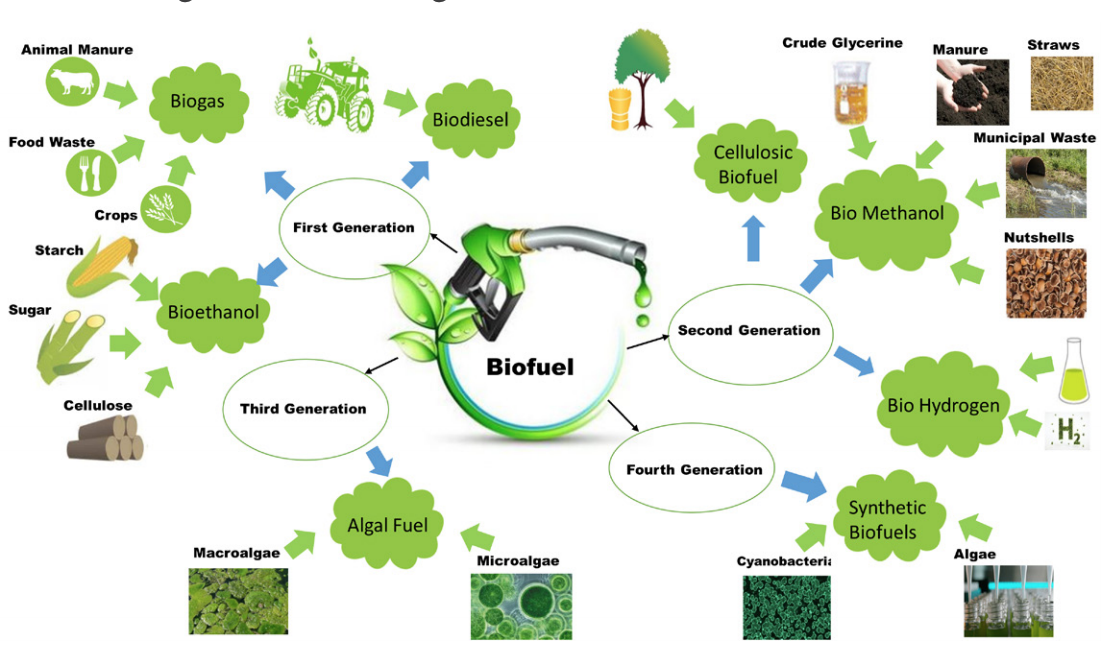
The first generation of biofuel was made from wood and other plant materials. The second generation was made from plant oils or vegetable oil. The third generation of biofuel is cellulosic ethanol, which is made from plants that have been grown specifically for fuel production. Fourth-generation biofuel is a type of renewable energy that can be used in the future to replace fossil fuels.

Fourth Generation Biofuel is a type of renewable energy that can be used in the future to replace fossil fuels. It is also called fourth-generation biomass, advanced biofuels, or next-generation biofuels and is not to be confused with fourth-generation nuclear power (which is not yet commercially viable).

Fourth-generation biofuels are the most recent type of biofuel available. They are made from organic material--like wood, animal waste and food waste--rather than food crops like corn. This article describes how they work and which fuels may be considered fourth-generation biofuels.

Why should you choose to invest in an alternative engine for your vehicle?

In this article, we'll be exploring the many benefits of investing in an alternative engine for your vehicle. These include significant savings on fuel costs and a reduction in emissions that would be harmful to the environment.

There are a number of reasons why you might want to consider investing in an alternative engine for your vehicle. These include:

- Improved fuel efficiency

- Reduced emissions

- Lower cost of ownership

- Less maintenance

The Biggest Benefits of Fourth-Generation Biofuel

Biofuels are a clean and sustainable source of fuel that is not only renewable but can be used to power vehicles and generate electricity. They are becoming a more popular choice since they emit fewer fumes than fossil fuels, help reduce carbon emissions, and offer an affordable way for people to reduce their dependency on fossil fuels.

The benefits of fourth-generation biofuel are many, some of which include:

- Reduction in greenhouse gas emissions by up to 60%

- Reduction in air pollution by up to 90%

- Increased availability of food for human consumption

Which Countries Have the Cleanest Air & How They Got There?

The air quality in some countries is so bad that it can cause cancer and other diseases. The World Health Organization (WHO) has a list of the cleanest countries with the best air quality.

The WHO has released a list of the cleanest countries with the best air quality. These are Finland, Iceland, New Zealand, Sweden, Austria, Switzerland, Norway, and Canada.

One thing these countries have in common is that they have public policies to cut pollution from vehicles and energy production.

In addition to these policies, they also have strong regulations on fuel standards for vehicles and energy production as well as low levels of coal-burning power plants which emit sulfur dioxide and nitrogen oxides which produce acid rain.

In addition to strong regulations and public policies, some of these countries also rely heavily on renewable energy sources such as hydroelectric, wind, and solar power. These sources of energy produce far fewer emissions than traditional fossil fuels, further contributing to their clean air rankings.

Another factor that has contributed to the success of these countries in achieving clean air is their investment in public transportation and active transportation infrastructure. By making it easier for people to travel without using personal vehicles, they have reduced the number of cars on the road and consequently reduced emissions.

Despite these successes, there is still much work to be done in improving air quality around the world. As more countries recognize the importance of clean air and take steps to address pollution, there is hope that air quality will continue to improve globally.

Read More
  • Share This:  
  •  Facebook
  •  Twitter
  •  Google+
  •  Stumble
  •  Digg

Wednesday, 24 August 2022

India has become the third-largest ecologically friendly power country in the world, and Green energy is likely to overtake petroleum goods.

 August 24, 2022     Green energy     No comments   


Due to its advantages over petroleum derivatives, particularly in terms of the environment, green energy is quickly becoming the preferred choice for many countries. The global biological system has recently been seriously influenced by environmental change. Rising levels of greenhouse gases have led to dry seasons in many parts of the world, flooding in certain areas, and then timberland fires in Europe and other parts of the world. Green energy also offers more climate-friendly alternatives, replacing the negative effects of petroleum derivatives. When obtained from common resources, it is typically perfect and sustainable, emitting no or very little greenhouse gases and is frequently easy to access.

Since sustainable power sources are less expensive, more dependable, and more efficient over time, people tend to view them as logical alternatives to petroleum products, which are unreasonably dangerous for the environment and force us to significantly change how we create and use energy. New energy arrangements are essential to combat environmental change, one of the biggest threats to humanity's ability to survive.

Wind power currently holds the top spot among ecologically friendly energy sources, and it is followed in terms of productivity by geothermal, hydropower, atomic, and sunlight-based energy. However, with the passage of time and technological improvements, this ranking may soon change. India, the world's third-largest producer of sustainable energy, has set a lofty target of 175 GW of green electricity by the end of 2022, with plans to increase that to 500 GW by 2030.

Solar, wind, geothermal, biogas, low-impact hydroelectric, and a few other approved biomass sources are all examples of sources of green energy. The Indian legislature has found a number of ways to support the transition to renewable energy, including allowing foreign direct investment (FDI) up to 100% under the planned course, waiving the costs of the Inter State Transmission System (ISTS) for projects that must be operational by June 30th, 2025, setting up Ultra Mega Renewable Energy Parks to provide large-scale renewable energy production, and more.

Power from the sun, wind, geothermal, and other renewable sources is included in "green energy." Other steps have been taken, including the laying of new transmission lines and the creation of new sub-station limits with regard to the clearing of sustainable power, the establishment of a Project Development Cell to attract and work with ventures, and standard offering rules for duty-based serious offering processes for the acquisition of force from lattice-related solar- and wind-powered projects.

In order to ensure prompt payment by dispersion licensees to RE generators, the government has also ordered that power be sent against Letters of Credit (LC) or advance payments. Programs for skill development are also being used to create a talent pool of workers for the execution, activity, and support of RE projects.

Despite the aforementioned, some steps have been taken specifically to advance wind energy, such as the concessional custom obligation exclusion on certain parts required for the assembly of wind generators. Additionally, a Generation Based Incentive (GBI) is being provided to projects that were appointed as of the latest date of March 31, 2017. Specialized assistance is provided through the National Institute of Wind Energy in Chennai, including wind asset appraisal and identification of likely locations.

Prior to it, the Indian government outlined a plan for switching to green energy. In accordance with the Prime Minister's statement at COP26, the Ministry of New and Renewable Energy is working to reach the introduced power ceiling of 500 GW from non-petroleum product sources by 2030.

A board of trustees has been assembled by the Ministry of New and Renewable Energy to establish a roadmap for achieving a 500 GW non-petroleum derivative-based energy limit by 2030. The board includes representations from important offices in charge of renewable energy and power.

As of February 28, 2022, 152.90 GW of renewable energy projects, including large hydro, have been launched in the nation. These projects included 50.78 GW from solar energy, 40.13 GW from wind energy, 10.63 GW from biomass power, 4.84 GW from small hydropower, and 46.52 GW from large hydropower.

Additionally, the activities of the 72.61 GW limit are in various stages of execution, and the 21.11 GW limit are in various stages of offering. 


Could it ever completely replace petroleum-based products? The majority of individuals frequently ask this question. The advancements being made in the energy sector strongly suggest that green energy will soon be able to displace petroleum-based products. To achieve this goal, it might be necessary to use modified creations from diverse sources at several locations. For instance, geothermal energy is particularly effective in areas where it is simple to utilise this resource. Additionally, when available in sufficient quantities, such as in India, wind energy or solar electricity may be better suited to specific geographical areas.

In any case, there are numerous reasons to accept that petroleum products could be eliminated by combining various green energy sources to answer our problems and with the advancements that are being made in the construction and advancement of these assets. 

Although this event is still a few years away, it is still true that it is crucial to do so in order to slow down environmental change, address the climate, and transition to a more sustainable future.

The Indian government is constantly forging ties with diverse groups, organizations, and countries in order to expand the range of green energy sources. The Mahatma Phule Renewable Energy and Infrastructure Technology Ltd. (MAHAPREIT), a fully owned subsidiary of MPBCDC (49% owned by the Government of India and 51% claimed by the Government of Maharashtra), and the Indian Renewable Energy Development Agency Ltd. (IREDA), signed a memorandum of understanding. Additionally, other organizations
 and state legislatures are making a variety of efforts in this direction.

Read More
  • Share This:  
  •  Facebook
  •  Twitter
  •  Google+
  •  Stumble
  •  Digg
Newer Posts Older Posts Home

ez

Popular Posts

  • Exploring the Benefits of Solar Energy: Cost Savings, Environmental Impact, and More.
    Solar energy is a renewable source of energy that is rapidly gaining attention around the world. This type of energy is generated by the use...
  • Blowing Strong: The Benefits and Challenges of Using Wind Energy
      Introduction A brie f overview of wind energy and its importance as a renewable energy source Wind energy is the process of using the wind...
  • Metal Hydride Storage: A Promising Option for Hydrogen Storage
    Introduction: Hydrogen has the potential to be an important source of clean energy for transportation, industry, and residential application...

Recent Posts

Categories

  • Biofuel
  • Energy storage
  • Environment
  • Green energy
  • Hydro
  • Pollution
  • Solar
  • Wind

Blog Archive

  • ▼  2023 (16)
    • ▼  April (1)
      • We are the experts in renewable energy: Clean fact...
    • ►  March (6)
    • ►  February (6)
    • ►  January (3)
  • ►  2022 (3)
    • ►  October (1)
    • ►  August (1)
    • ►  July (1)
  • ►  2021 (8)
    • ►  May (2)
    • ►  April (3)
    • ►  March (2)
    • ►  February (1)

We are the experts in renewable energy: Clean facts you need to know

As experts in the field of renewable energy, they are committed to promoting the use of clean, sustainable energy sources to power our world...

Categories

Labels

  • Biofuel
  • Energy storage
  • Environment
  • Green energy
  • Hydro
  • Pollution
  • Solar
  • Wind

Popular Posts

  • Exploring the Benefits of Solar Energy: Cost Savings, Environmental Impact, and More.
  • Blowing Strong: The Benefits and Challenges of Using Wind Energy

Search This Blog

Powered by Blogger.

Report Abuse

  • Home

Copyright © Renewable Exergy | Powered by Blogger
Design by Hardeep Asrani | Blogger Theme by NewBloggerThemes.com | Distributed By Gooyaabi Templates