Renewable Exergy
  • Home
  • Infographics
  • Offers
  • Home
  • Infographics
  • Offers
  • Privacy Policy
  • About us
  • Contact us
  • DMCA

Tuesday, 11 April 2023

We are the experts in renewable energy: Clean facts you need to know

 April 11, 2023     Green energy     No comments   

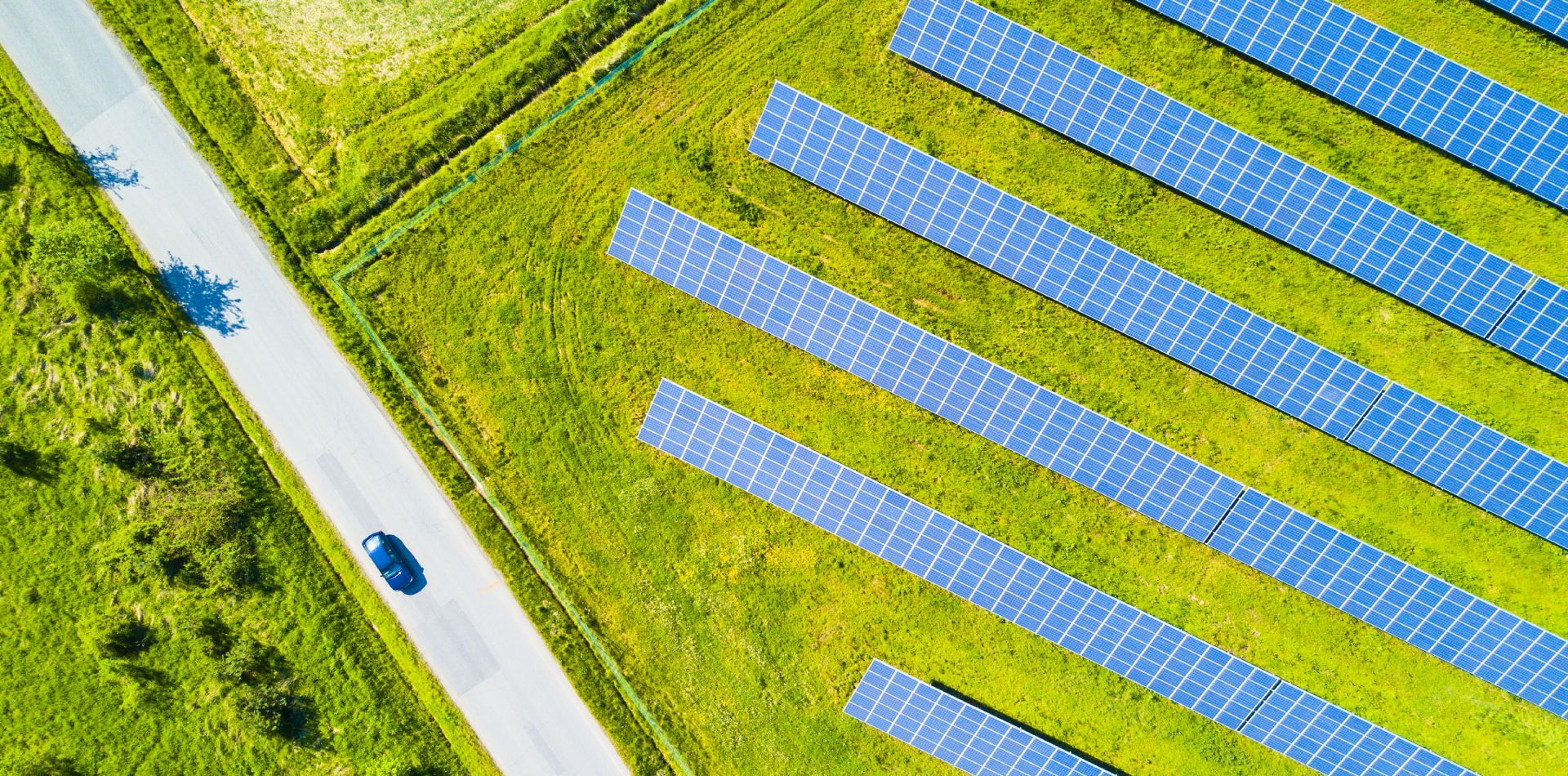
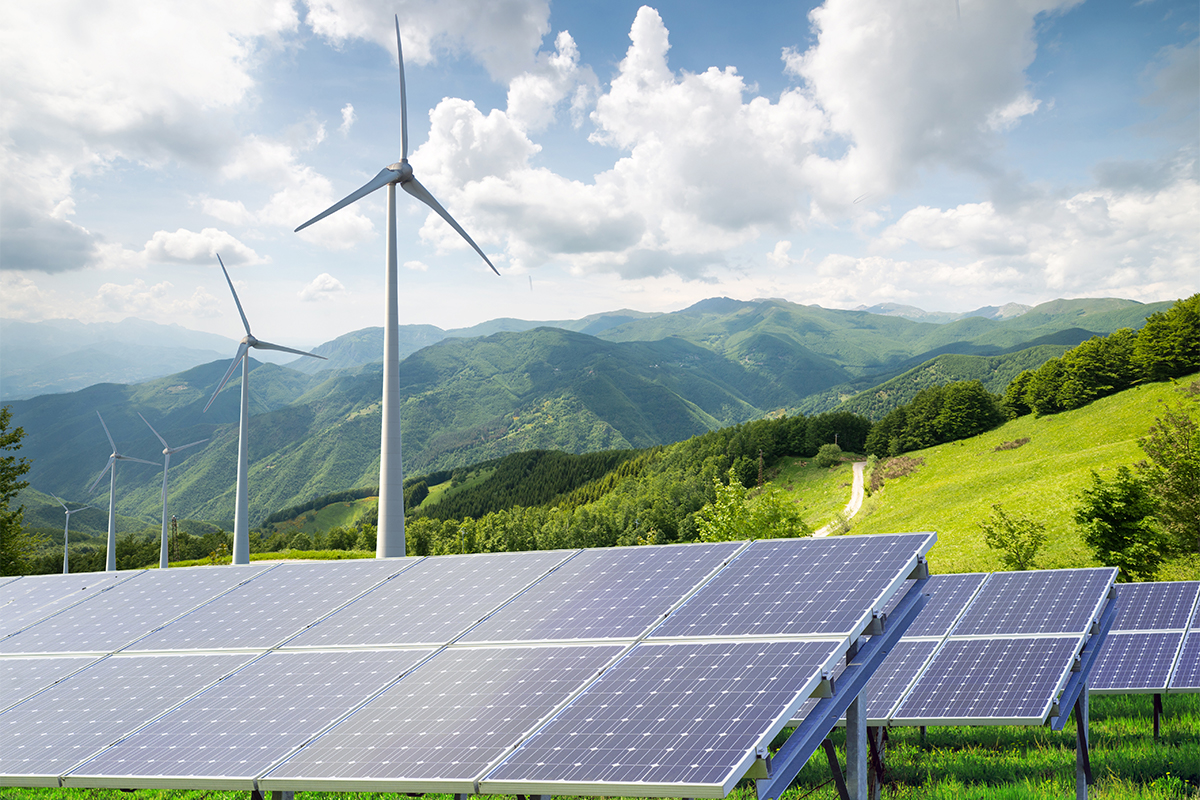
As experts in the field of renewable energy, they are committed to promoting the use of clean, sustainable energy sources to power our world. We understand the importance of accurate and reliable information in helping people make informed decisions about their energy needs. In this article, we present the clean facts you need about renewable energy and why it is the best option for a sustainable future.

What is renewable energy?

Renewable energy is any form of energy generated from natural sources that replenish themselves over time, such as sunlight, wind, water, geothermal heat, and biomass. Unlike fossil fuels, which are limited and non-renewable, renewable energy sources have the potential to provide an infinite supply of clean, affordable energy.

Why choose renewable energy?

There are many advantages to choosing renewable energy over traditional fossil fuels. For example

  • Reducing greenhouse gas emissions: Burning fossil fuels releases carbon dioxide and other pollutants that contribute to climate change and air pollution. Renewable energy sources emit little or no greenhouse gases, making them a much cleaner option for the environment.
  • Saving money: Renewable energy is becoming increasingly cost-competitive with fossil fuels, and in some cases already cheaper. By investing in renewable energy, you can save money on your energy bills and reduce your dependence on volatile energy markets.
  • Creating Jobs: The renewable energy industry is a growing sector that is creating new jobs and opportunities for people around the world. By choosing renewable energy, you can help support a more sustainable and equitable economy.
  • Improving Energy Security: Renewable energy sources are widely distributed around the world and are not subject to the same geopolitical risks as fossil fuels. By investing in renewable energy, you can help increase energy security and reduce the risk of supply disruptions.

What are the different types of renewable energy?

There are many types of renewable energy, each with specific benefits and difficulties. Some examples of popular renewable energy sources include:

  • Solar Energy: Solar panels can be used to collect solar energy, which is emitted by the sun's rays. Solar power is a reliable and abundant source of energy that is becoming increasingly cost-effective and efficient.

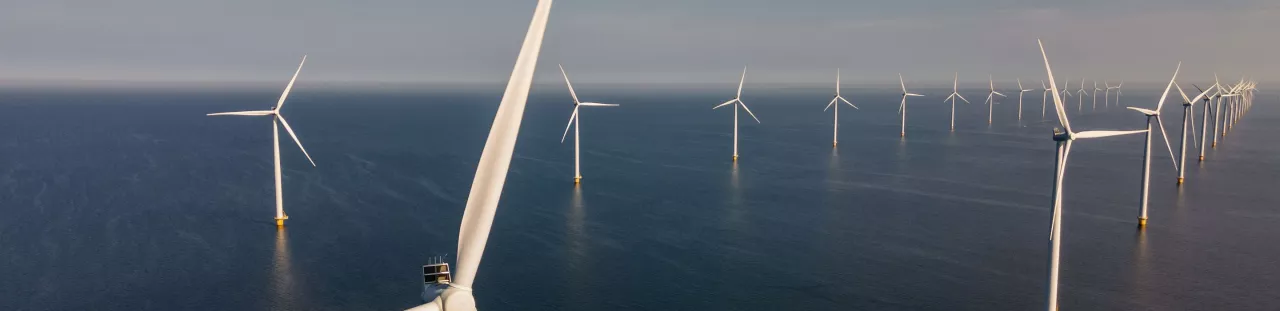
  • Wind Energy: Wind turbines can be used to capture wind energy, which is a byproduct of air movement. A safe and reliable energy source, wind power can be used to power buildings, neighborhoods and even entire cities.
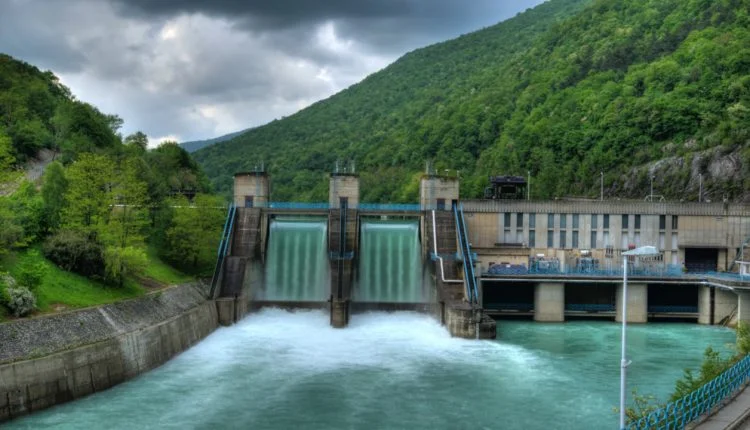
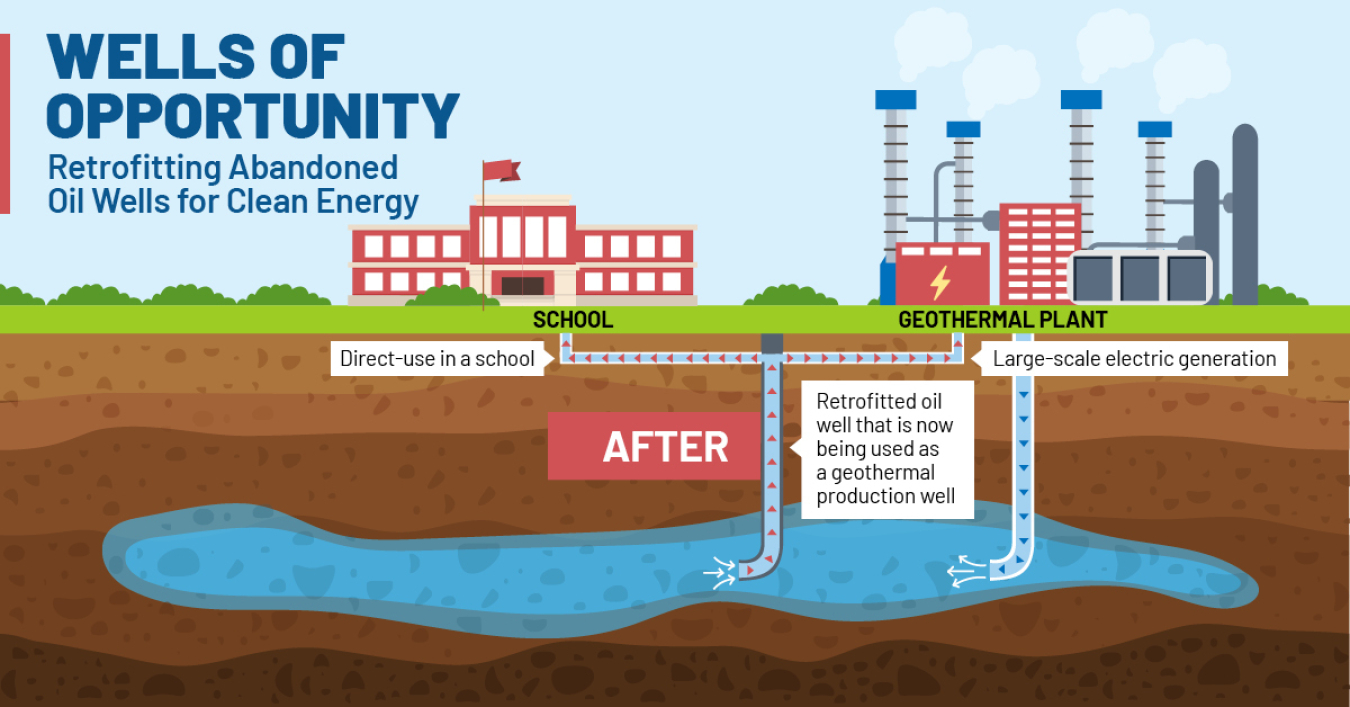
  • Hydropower: Geothermal power plants or ground source heat pumps can be used to generate geothermal energy, which is derived from the Earth's heat. Geothermal energy is a reliable and clean form of energy that can be used to generate electricity as well as heat and cool buildings.
  • Geothermal Energy: Geothermal energy is derived from the heat of the Earth and can be harnessed through the use of geothermal power plants or ground source heat pumps. Geothermal energy is a clean and reliable source of energy that can provide both electricity and heating and cooling.
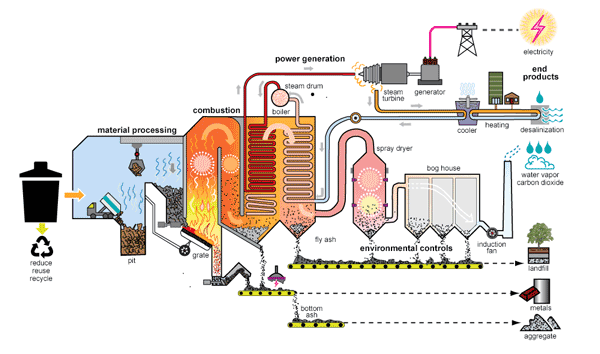
  • Biomass energy: Biomass energy can be used to generate heat, electricity or transportation fuel and is derived from biological resources such as wood, crop residues or garbage. Biomass is a sustainable energy source that can help cut down on waste and greenhouse gas emissions.
How can you switch to renewable energy?

It's easier than ever to switch to renewable energy, and many solutions exist to match your demands and budget. There are several ways to switch to renewable energy, including:

  1. Installing solar panels on your roof
  2. Joining a community solar program
  3. Purchasing renewable energy certificates (RECs)
  4. Choosing a green energy provider
  5. Investing in a renewable energy project

Conclusion

In short, using renewable energy to power our world is a clean, cost-effective and long-term solution. By switching to renewable energy, we can reduce our carbon footprint, save money, create jobs and build a more resilient and equitable future for all. We are committed to providing you with the knowledge, services and solutions you need to switch to renewable energy and help you reach your energy objectives. Learn more about switching to sustainable energy sources.


Read More
  • Share This:  
  •  Facebook
  •  Twitter
  •  Google+
  •  Stumble
  •  Digg

Saturday, 25 March 2023

Environmental Justice: Ensuring a Fair and Equitable World for All

 March 25, 2023     Environment     No comments   

 Introduction:

Environmental justice is a term that has gotten a lot of attention in recent years, and for good reason. The environment we live in is vital to our survival and quality of life, yet it is often the most vulnerable communities that are most affected by environmental degradation and pollution. Environmental justice is the movement that aims to ensure that all people, regardless of their race, ethnicity or socio-economic status, have the right to a safe, healthy and sustainable environment.


In this article, we will learn what environmental justice is, why it is important and how it can be achieved. We'll also address some frequently asked questions about environmental justice to help readers gain a better understanding of this important issue.


What is Environmental Justice?

Environmental justice is a movement that aims to ensure that all people have the right to a safe, healthy and sustainable environment. It recognizes that certain communities, particularly those that are low-income, people of colour, or Indigenous people, are often disproportionately affected by environmental degradation, pollution, and other environmental harms.

Environmental justice seeks to address this disparity by advocating for policies and practices that promote environmental protection, reduce pollution and other environmental hazards, and promote sustainable development in these communities. It also seeks to ensure that these communities have a say in decisions that affect their environment and health.


Why does Environmental Justice matter?

Environmental justice matters because it is a matter of basic human rights. Everyone has the right to a safe and healthy environment, irrespective of their caste, ethnicity or socio-economic status. However, in many communities, environmental hazards and pollution disproportionately affect people who are already marginalized and vulnerable.

Environmental justice is also critical to the long-term sustainability of our planet. Climate change, pollution and other environmental problems affect us all, but they have a disproportionate impact on vulnerable communities. By ensuring that safe, healthy and sustainable environments are available to all communities, we can create a more just and equitable world for all.

How can Environmental Justice be achieved?

Achieving environmental justice requires a multi-pronged approach that includes policy change, community participation and advocacy. Some ways to achieve environmental justice include:

Promoting clean energy and reducing greenhouse gas emissions: Clean energy sources such as wind, solar and hydropower can help reduce greenhouse gas emissions and other forms of pollution that contribute to environmental degradation. Policies that promote the use of clean energy and reduce dependence on fossil fuels can help promote environmental justice.

Addressing environmental racism: Environmental racism refers to the ways in which environmental hazards and pollution are disproportionately located in communities of color and low-income communities. Addressing environmental racism requires policies that prioritize the health and well-being of these communities and ensure they have a stake in decisions that affect their environment.

Promoting Sustainable Development: Sustainable development aims at meeting the needs of the present without compromising the ability of future generations to meet their own needs. Encouraging sustainable development can help promote environmental justice by ensuring that communities have access to the resources they need without harming the environment.

Supporting community participation and advocacy: Environmental justice cannot be achieved without the participation of communities affected by environmental hazards and pollution. Supporting community participation and advocacy can help ensure that these communities have a voice in decisions that affect their environment and health.


FAQs:


Question: What are some examples of environmental hazards that disproportionately affect vulnerable communities?

Answer: Examples include air pollution, water pollution, toxic waste disposal, and exposure to hazardous chemicals.


Question: What does environmental justice have to do with climate change?

Answer: Environmental justice is closely linked to climate change because the effects of climate change, such as extreme weather events, sea level rise, and increased frequency and intensity of natural disasters, often have a disproportionate impact on vulnerable communities. For example, low-income communities and communities of color are often more vulnerable to the effects of heat waves and flooding because they may lack access to air conditioning or have homes in flood-prone areas. So addressing climate change is an important part of achieving environmental justice.


Question: Who is responsible for achieving environmental justice?

Answer: Achieving environmental justice is the responsibility of everyone, including governments, businesses and individuals. Governments have a responsibility to enact policies that protect the environment and promote sustainability, while businesses have a responsibility to act in an environmentally responsible manner. Individuals can also contribute to environmental justice by making lifestyle choices that reduce their impact on the environment, such as reducing energy consumption and recycling.


Conclusion:

Environmental justice is an important movement that seeks to ensure that all people have the right to a safe, healthy and sustainable environment. It recognizes that certain communities are often disproportionately affected by environmental degradation and pollution, and seeks to address this disparity through policy change, community participation and advocacy. Achieving environmental justice requires the cooperation of governments, businesses and individuals, but it is an important step toward creating a more just and equitable world for all. Let us all work towards a world where environmental justice is a reality for all.

Read More
  • Share This:  
  •  Facebook
  •  Twitter
  •  Google+
  •  Stumble
  •  Digg

Friday, 24 March 2023

Challenges and opportunities in aligning climate finance with national development priorities

 March 24, 2023     Environment     No comments   

Climate change is one of the most serious global challenges of our time. It poses significant risks to economies, societies and ecosystems around the world. Tackling climate change requires significant investment in clean energy, low-carbon infrastructure and climate-resilient development. However, developing countries, which are most vulnerable to the effects of climate change, often lack the financial resources and technical capabilities to make these investments. Climate finance is an important tool to bridge this gap and enable developing countries to take action on climate change.


Climate finance refers to the flow of money from developed countries to developing countries to support activities that reduce greenhouse gas emissions, enhance climate resilience, and promote sustainable development. Climate finance can take many forms, including grants, concessional loans and investments in renewable energy, energy efficiency and climate-resilient infrastructure. Climate finance can also assist in the development and implementation of policies and strategies to address climate change, such as national climate change adaptation plans or low-emission development strategies.


The need for climate finance stems from the recognition that developed countries have historically contributed most to greenhouse gas emissions while developing countries are disproportionately affected by the effects of climate change. Developed countries have a responsibility to support developing countries in their efforts to combat climate change and transition to low-carbon, climate-resilient economies. Climate finance is an important component of international climate change negotiations and is often discussed in the context of the United Nations Framework Convention on Climate Change (UNFCCC) and its associated mechanisms, such as the Green Climate Fund.


Climate finance has the potential to drive transformative change in developing countries by providing the resources needed to scale up climate action. For example, climate finance can help developing countries make the transition to clean energy systems, which can reduce greenhouse gas emissions, improve air quality, and provide energy access to people who have little access to energy. It is lacking at present. Climate finance can also support climate-resilient infrastructure projects such as sea walls and flood protection, which can protect vulnerable communities from the effects of climate change.


In addition to its environmental benefits, climate finance can also have significant economic and social benefits. Climate finance can spur economic growth by creating new industries and jobs in the renewable energy and energy efficiency sectors. Climate finance can also improve access to clean energy and water, which can have a positive impact on health, education and gender equality. Climate finance can also aid in the development of resilient and adaptive communities, thereby improving livelihoods and reducing poverty.


Despite its potential benefits, climate finance faces a number of challenges. One of the main challenges is the lack of predictable and sustainable funding. Climate finance depends on contributions from developed countries, which are often subject to political and economic fluctuations. The scale of climate finance needed to tackle climate change is also significant and is estimated to require trillions of dollars over the coming decades. Mobilizing this level of funding will require new and innovative financial mechanisms as well as increased public and private sector participation.


Another challenge of climate finance is the lack of transparency and accountability in its delivery. It is often difficult to track climate finance flows and ensure that funds are being used effectively and efficiently. There is also a risk that climate finance could perpetuate existing inequalities and power imbalances, particularly if it is not sufficiently aligned with the priorities and needs of recipient countries.


Overcoming these challenges requires greater international cooperation and coordination on climate finance. Developed countries need to honor their commitments to provide climate finance, and establish mechanisms to ensure that the money is being used effectively and in a transparent manner. Developing countries need to develop strong national strategies and institutions to effectively manage and deliver climate finance, and ensure climate finance is aligned with their development priorities.


There is also a need to explore new and innovative financial mechanisms to mobilize climate finance on a large scale. For example, green bonds and climate risk insurance can help mobilize private sector finance for climate action. Carbon pricing mechanisms, such as carbon taxes and emissions trading schemes, can also create a predictable and stable source of funding for climate action.


In conclusion, climate finance is an important tool for addressing climate change and promoting sustainable development in developing countries. It has the potential to drive transformative change in developing countries by providing the resources needed to scale up climate action. However, climate finance faces a number of challenges, including a lack of predictable and sustainable funding and a lack of transparency and accountability in its distribution. To overcome these challenges, there is a need for greater international cooperation and coordination on climate finance, as well as new and innovative financial mechanisms to mobilize climate finance on a large scale. By working together to address these challenges, we can ensure climate finance plays an important role in building a sustainable and resilient future for all.

Read More
  • Share This:  
  •  Facebook
  •  Twitter
  •  Google+
  •  Stumble
  •  Digg

Tuesday, 14 March 2023

Hybrid Renewable Energy Sources: A Sustainable Solution for Reliable Electricity Production.

 March 14, 2023     Green energy     No comments   

The use of renewable energy sources has been gaining momentum in recent years, as the world moves towards more sustainable and eco-friendly forms of energy production. However, one of the main challenges with renewable energy sources such as solar and wind power is their intermittent nature. Hybrid renewable energy systems have emerged as a promising solution to address this challenge.


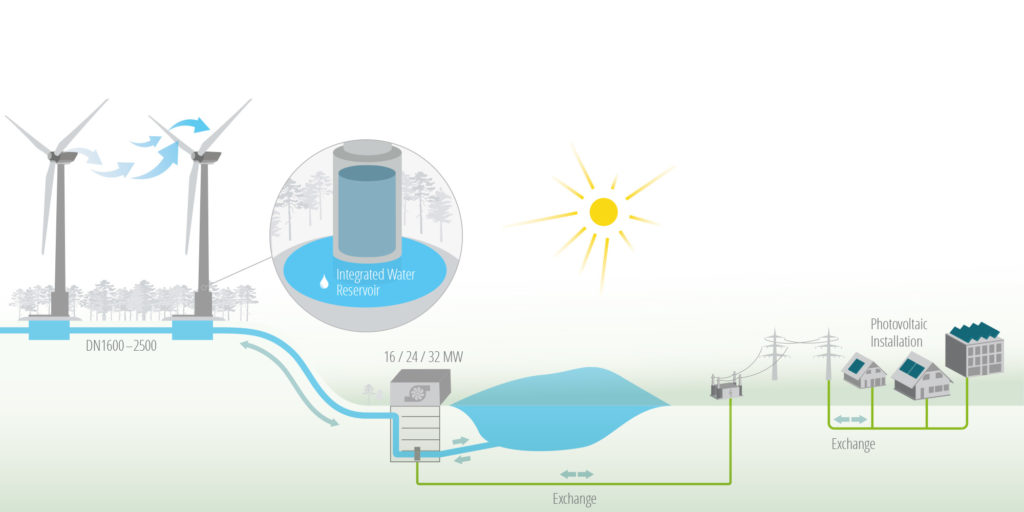
A hybrid renewable energy system is a combination of two or more renewable energy sources that work together to provide a stable and reliable supply of electricity. The most common hybrid renewable energy systems combine solar and wind power, as these two sources complement each other. Solar power is most abundant during the day, while wind power is strongest at night. By combining these two sources, a hybrid system can provide a more consistent and reliable supply of electricity.

There are many advantages to using hybrid renewable energy systems. First, they provide a more stable and reliable source of electricity than a single renewable energy source. This is because the combination of two or more sources helps to reduce the intermittent nature of renewable energy. Second, hybrid systems can be more cost-effective than relying on a single source of renewable energy. This is because different sources of renewable energy have different costs and efficiencies, and combining them can make the overall system more efficient and cost-effective. Finally, hybrid renewable energy systems may be more environmentally friendly than relying on non-renewable sources of energy. This is because they use renewable sources of energy that do not produce greenhouse gas emissions or other harmful pollutants.

One of the most common types of hybrid renewable energy systems is the solar-wind hybrid system. In this type of system, a combination of solar panels and wind turbines are used to generate electricity. During the day, when the sun is shining, solar panels generate electricity. Also, wind turbines can continue to generate electricity, because the wind is stronger at higher altitudes where solar panels don't block it. During the night, when the sun is not shining, wind turbines can provide a more consistent supply of electricity. By combining these two sources, a solar-wind hybrid system can provide a stable and reliable supply of electricity throughout the day and night.


Another type of hybrid renewable energy system is the hydro-wind hybrid system. In this type of system, a combination of hydroelectric power and wind power is used to generate electricity. Hydroelectric power is generated by using the flow of water to rotate turbines, while wind power is generated by using wind to rotate turbines. By combining these two sources, a hydro-wind hybrid system can provide a more consistent and reliable supply of electricity, as the flow of water is generally more consistent than that of wind.


The third type of hybrid renewable energy system is the solar-hydro hybrid system. In this type of system, a combination of solar power and hydroelectric power is used to generate electricity. During the day, when the sun is shining, solar panels generate electricity. Also, water in a hydroelectric dam can be pumped to a greater height, thereby storing energy for later use. When power is needed at night or on cloudy days, water can be released from the dam through turbines to generate electricity. By combining these two sources, a solar-hydro hybrid system can provide a more stable and reliable supply of electricity.


There are many challenges in implementing hybrid renewable energy systems. One of the main challenges is the initial cost of setting up the system. Hybrid renewable energy systems can be more expensive to install than a single renewable energy source. However, over time, the cost of energy production may become less than relying on a single source of renewable energy, as the system may become more efficient and cost-effective.

Another challenge is the complexity of the system. Hybrid renewable energy systems require careful planning and design to ensure that the different sources of energy work together effectively. This may involve integrating different types of technology and coordinating their operation to ensure a reliable supply of electricity. Maintenance and repair of hybrid renewable energy systems can also be more complex, as multiple sources of energy need to be monitored and serviced.

Another challenge is the availability of suitable locations for hybrid renewable energy systems. These systems often require specific geographic and weather conditions to be effective. For example, a solar-wind hybrid system requires both sunlight and wind, while a hydro-wind hybrid system requires access to flowing water and consistent wind. Finding a suitable location for these systems can be challenging and may require a significant investment in infrastructure.

Despite these challenges, the benefits of hybrid renewable energy systems make them an attractive option for many countries and businesses. For example, in India the Ministry of New and Renewable Energy has launched a program to encourage the development of hybrid renewable energy systems. The program provides financial incentives and technical support to developers and aims to increase the share of renewable energy in the country's energy mix.

In the business sector, many companies are investing in hybrid renewable energy systems as part of their sustainability strategies. For example, Microsoft has invested in a hydro-wind hybrid system in Ireland, which uses a combination of wind turbines and a hydroelectric pumped-storage system to provide electricity to its data centers. The system is expected to reduce the company's carbon emissions by more than 90,000 metric tons per year.

In conclusion, hybrid renewable energy systems are a promising solution to the challenge of intermittent renewable energy sources. By combining two or more sources of renewable energy, these systems can provide a more stable and reliable supply of electricity. Although there are challenges in implementing these systems, the benefits make them an attractive option for many countries and businesses looking to reduce their carbon footprint and move towards more sustainable forms of energy production. As technology and infrastructure continue to improve, we can expect to see more hybrid renewable energy systems being developed and implemented around the world.

Read More
  • Share This:  
  •  Facebook
  •  Twitter
  •  Google+
  •  Stumble
  •  Digg

Investment in Green Hydrogen: This topic could examine the current state of investment in green hydrogen, both from the private and public sectors, and the challenges and opportunities for future growth and development.

 March 14, 2023     Green energy     No comments   

Green hydrogen is an emerging fuel that has the potential to revolutionize the energy sector. It is a clean, efficient and renewable source of energy that can be produced using only water and renewable electricity. Unlike conventional hydrogen, which is produced from fossil fuels, green hydrogen is produced from renewable energy sources, such as wind, solar and hydroelectric power. This means that it has a much smaller carbon footprint than conventional hydrogen, making it an important part of the transition to a more sustainable future.


What is Green Hydrogen?

Hydrogen is the most abundant element in the universe, and it is an important component of many important molecules, including water, hydrocarbons, and carbohydrates. In its purest form, hydrogen is a gas that is colourless, odorless and tasteless. It is also highly flammable, making it a potential source of energy.

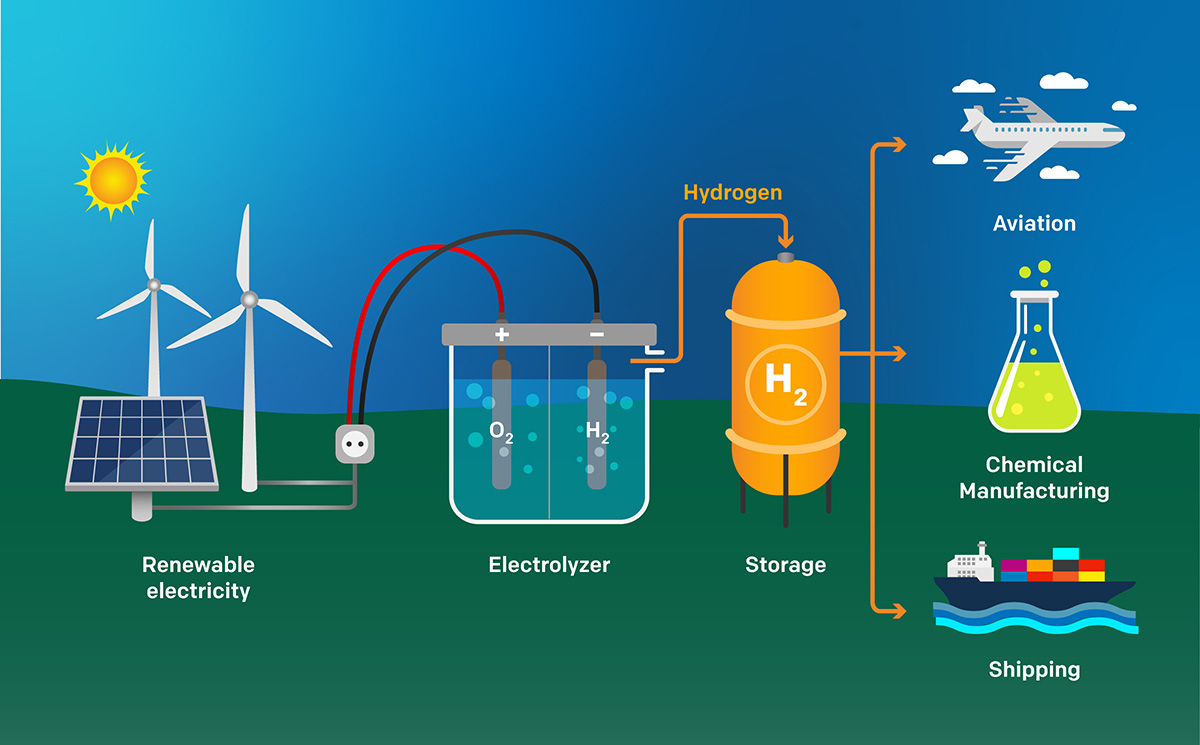
Green hydrogen is produced using renewable energy sources, such as wind, solar and hydroelectric power. This process involves using an electrolyzer to split water into hydrogen and oxygen. The hydrogen can then be stored and used as fuel, while the oxygen can be released back into the atmosphere.


Green hydrogen has several advantages over conventional hydrogen. Firstly, it is more hygienic and more durable. Conventional hydrogen is usually produced from fossil fuels, which release carbon dioxide and other greenhouse gases into the atmosphere. It contributes to climate change and other environmental problems. On the other hand, green hydrogen is produced using renewable energy sources, which have a very low carbon footprint.

Second, green hydrogen is more efficient. Since it is produced using renewable energy sources, it can be produced in a more decentralized manner depending on where it will be used. This reduces the need for long distance transportation of hydrogen, which can be costly and inefficient.

Ultimately, green hydrogen has the potential to be an important part of the transition toward a more sustainable future. As more countries and businesses commit to reducing their carbon footprint, they will need to find new and innovative ways to produce and use energy. Green hydrogen provides a solution that allows for a cleaner, more efficient and more sustainable energy system.


The Benefits of Green Hydrogen

Green hydrogen has many benefits that make it an attractive option for both consumers and businesses. This includes:

  1. Low Carbon Footprint: Green hydrogen is produced using renewable energy sources, which has a much lower carbon footprint than conventional hydrogen. This makes it an important part of the transition towards a more sustainable future.
  2. Energy storage: Hydrogen can be stored and used as a fuel, making it an important part of energy storage systems. This is especially useful for renewable energy sources like wind and solar, which come on intermittently.
  3. Decentralization: Because green hydrogen can be produced in a more decentralized manner, it reduces the need for long-distance transportation of hydrogen. This can be costly and ineffective, especially in areas where there is high demand for hydrogen.
  4. Versatility: Hydrogen can be used in a variety of applications including transportation, heating and power generation. This makes it a versatile fuel that can be used in many different industries.
  5. Job creation: The production and use of green hydrogen has the potential to create new jobs in the renewable energy sector, helping to stimulate economic growth and development.


Applications of Green Hydrogen

Green hydrogen has a wide range of applications, including:

  1. Transportation: Hydrogen fuel cells can be used to power cars, trucks, buses, and trains. It provides a clean and efficient alternative to conventional fossil fuels.
  2. Electricity generation: Hydrogen can be used in fuel cells to generate electricity. This is especially useful for remote areas with no access to the electricity grid.
  3. Heating: Hydrogen can be used to heat buildings, providing a clean alternative to traditional fossil fuels such as natural gas.
  4. Industry: Hydrogen can be used in industrial processes such as chemical production, metal refining, and glass manufacturing. This can help reduce emissions from these industries and contribute to a more sustainable future.
  5. Energy storage: Hydrogen can be stored and used as a fuel when renewable energy sources such as wind and solar are not available. This can help overcome the intermittent nature of these sources and provide a reliable source of energy.


Challenges of Green Hydrogen

While green hydrogen has many advantages, there are also many challenges that need to be addressed before it can become a mainstream energy source. This includes:

  1. Cost: The cost of producing green hydrogen is currently higher than conventional hydrogen. The reason for this is the high cost of renewable energy sources and the relatively low efficiency of electrolyzers. However, as the technology improves and economies of scale are achieved, the cost of green hydrogen is expected to come down.
  2. Infrastructure: A new infrastructure needs to be developed to produce, store and transport green hydrogen. This can be costly and time consuming, especially in areas where there is no existing infrastructure.
  3. Safety: Hydrogen is highly flammable and can be dangerous if not handled properly. Additional security measures need to be taken to ensure that it is handled safely.
  4. Scale-up: Production of green hydrogen is currently limited, and production needs to be scaled up to meet growing demand. This requires significant investment in research and development as well as infrastructure.
  5. Regulatory Framework: A regulatory framework needs to be developed to ensure that green hydrogen is produced and used safely and efficiently. It includes regulations related to the production, storage, transportation and use of green hydrogen.


Conclusion

Green hydrogen has the potential to revolutionize the energy sector, providing a clean, efficient and sustainable alternative to conventional fossil fuels. Although there are many challenges that need to be addressed, the benefits of green hydrogen are significant, and could play a key role in the transition to a more sustainable future. As the technology improves and economies of scale are achieved, the cost of green hydrogen is expected to drop, making it an attractive option for both consumers and businesses. With the right investments in research, development and infrastructure, green hydrogen has the potential to become a game-changer in the energy sector, helping to reduce emissions and build a more sustainable future.

Read More
  • Share This:  
  •  Facebook
  •  Twitter
  •  Google+
  •  Stumble
  •  Digg

Sunday, 12 March 2023

Exploring the Benefits of Solar Energy: Cost Savings, Environmental Impact, and More.

 March 12, 2023     Solar     No comments   

Solar energy is a renewable source of energy that is rapidly gaining attention around the world. This type of energy is generated by the use of photovoltaic (PV) panels that convert sunlight into electricity. Solar power is clean, sustainable and offers many benefits including cost savings, reduced environmental impact and improved energy security. In this blog, we will explore the advantages and disadvantages of solar energy and examine how solar energy is being used in India.

What is solar energy?

Solar energy is energy generated from the sun's radiation. This energy can be harnessed using a variety of technologies including PV panels, concentrated solar power (CSP), and solar water heaters. PV panels are the most common technology used to generate solar power, and they work by converting sunlight into electricity through a process called the photovoltaic effect.


Advantages of solar energy

There are many advantages of using solar energy. One of the main advantages is cost savings. Once installed, solar panels can provide decades of free electricity, reducing or eliminating your electricity bill. Furthermore, solar power is a renewable source of energy, meaning it is continuously available and does not contribute to the depletion of natural resources.


Another advantage of solar power is its environmental impact. Solar power is clean, producing no harmful emissions or pollutants, unlike fossil fuels, which produce greenhouse gases and contribute to climate change. Solar power can also help reduce our dependence on fossil fuels, improve energy security, and reduce the risk of price volatility.

Solar energy in India

India is one of the leading countries in the world in the use of solar energy. The Government of India has set a target of achieving 100 GW of solar power capacity by 2022 with an investment of $100 billion. The responsibility of implementing this ambitious plan rests with the Solar Energy Corporation of India (SECI).

Solar energy has many uses in India, including powering homes, businesses and public buildings. Solar energy is also used in agriculture, where it can power irrigation systems and improve crop yields. In addition, solar energy is being used to power streetlights and other public infrastructure.

Disadvantages of solar energy

Although solar power offers many advantages, there are also some disadvantages that should be considered. One of the main disadvantages of solar energy is its intermittency. Solar panels generate electricity only when exposed to sunlight, so they cannot provide electricity at night or during cloudy weather. This means that solar energy must be stored in batteries or supplemented with other sources of energy to ensure a continuous power supply.

Another disadvantage of solar power is its high initial cost. While solar panels can provide cost savings over the long term, the initial installation cost can be prohibitively expensive for many homeowners and businesses. This has led to the development of innovative financing models such as leasing and power purchase agreements, which allow consumers to install solar panels without upfront costs.

Solar energy companies in India

There are several solar power companies in India, including Adani Solar, Tata Power Solar and Vari Energies. These companies specialize in the manufacture and installation of solar panels and other solar energy technologies. Many of these companies are publicly traded, with their stock available for purchase on Indian stock exchanges.


In short, solar power is a clean, sustainable and cost-effective source of energy that offers many benefits. It can help reduce our dependence on fossil fuels, improve energy security and reduce greenhouse gas emissions. However, solar power also has some disadvantages, including intermittency and high initial cost.

Solar energy projects

Despite the challenges, solar power is becoming an increasingly popular source of energy around the world. Governments, businesses and individuals are investing in solar power projects to take advantage of their many benefits. As technology improves and costs continue to fall, solar power is expected to play an even bigger role in meeting our energy needs in the future.

In conclusion, solar energy is a powerful and versatile source of energy that has the potential to transform our energy systems. Although there are some disadvantages to consider, the benefits of solar power, including cost savings, reduced environmental impact and improved energy security, make it an attractive option for governments, businesses and individuals around the world. With continued investment and innovation, solar power is set to play an even bigger role in meeting our energy needs in the years to come.

Read More
  • Share This:  
  •  Facebook
  •  Twitter
  •  Google+
  •  Stumble
  •  Digg

Friday, 3 March 2023

Perovskite Solar Cells: The Future of Solar Energy?

 March 03, 2023     Solar     No comments   


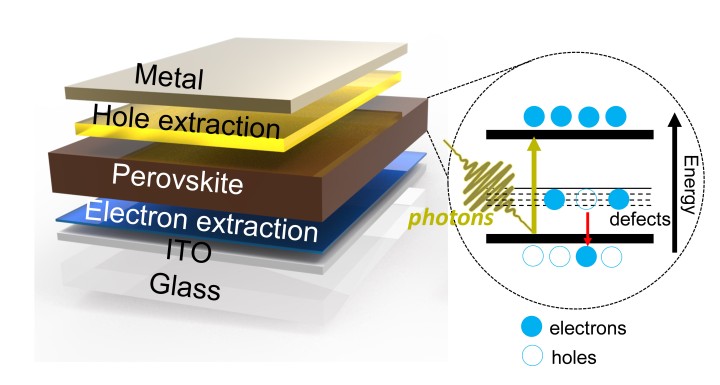
Perovskite solar cells have been the subject of intense research in recent years due to their high energy conversion efficiency and low production cost. They are a type of thin-film solar cell made using a material called perovskite, which has the chemical formula ABX3.

In the formula A represents a small organic molecule or metal cation, B represents a metal cation, and X represents a halide ion such as iodide or bromide. The perovskite material has unique properties that make it ideal for use in solar cells, including its ability to absorb a wide range of wavelengths of light and its high charge carrier mobility.


Perovskite solar cells have achieved record-breaking efficiency levels in a relatively short period of time. In 2009, the efficiency of the first perovskite solar cell was reported to be only 3.8%. As of 2018, this has increased to over 23%, which is close to the efficiency of conventional silicon-based solar cells. Researchers continue to work on improving the efficiency of perovskite solar cells and reducing their production cost, with the ultimate goal of making them a commercially viable alternative to silicon-based solar cells.


A major advantage of perovskite solar cells is their low cost of production. The materials used to make perovskite solar cells are relatively cheap and easy to obtain, making them an attractive option for large-scale solar panel manufacturing. Furthermore, perovskite solar cells can be manufactured using simple and scalable solution-based processes, which are much less complex than the high-temperature and high-vacuum processes used to make silicon-based solar cells. and are expensive.


Another advantage of perovskite solar cells is their flexibility. Because they are made using thin-film technology, they can be made into flexible and lightweight solar panels that can be used in a wide range of applications, including portable electronic devices and wearable technology. This makes them ideal for use in remote or off-grid locations where conventional solar panels may not be feasible.


Despite their many advantages, perovskite solar cells are still relatively new and have some challenges that need to be addressed before they can become a mainstream technology. One of the biggest challenges is their stability. Perovskite materials are inherently unstable, especially when exposed to moisture or oxygen, which can lead to degradation and decreased performance over time. The researchers are working on developing more stable perovskite materials and improving the encapsulation techniques used to protect the cells from environmental factors.


Another challenge is the scalability of perovskite solar cell production. While the solution-based processes used to make perovskite solar cells are simple and scalable, there are reproducibility and yield issues that need to be addressed before they can be mass-produced. Furthermore, the long-term durability and reliability of perovskite solar cells are still unknown, which may limit their commercial viability in the future.


In conclusion, perovskite solar cells have the potential to revolutionize the solar power industry by providing a low-cost, lightweight and flexible alternative to conventional silicon-based solar cells. While there are still challenges that need to be addressed before perovskite solar cells can become a mainstream technology, researchers are making significant progress in improving their efficiency, stability and scalability. With continued research and development, perovskite solar cells can play an important role in meeting the world's growing energy needs in a sustainable and environmentally friendly manner.

Read More
  • Share This:  
  •  Facebook
  •  Twitter
  •  Google+
  •  Stumble
  •  Digg

Sunday, 26 February 2023

Gravity Battery - A New Frontier in Energy Storage

 February 26, 2023     Energy storage     No comments   


 Introduction

The world today faces a critical need for clean and sustainable energy sources. Fossil fuels, which have been the mainstay of our energy production for decades, are not only finite but also emit greenhouse gases, contributing to climate change. The search for alternative energy sources has led to the development of various forms of renewable energy, including wind, solar, and hydroelectric power. However, renewable energy has a major limitation - it is intermittent and not always available when needed. Energy storage systems, therefore, play a critical role in ensuring a consistent and reliable supply of energy. One such energy storage system is the gravity battery.

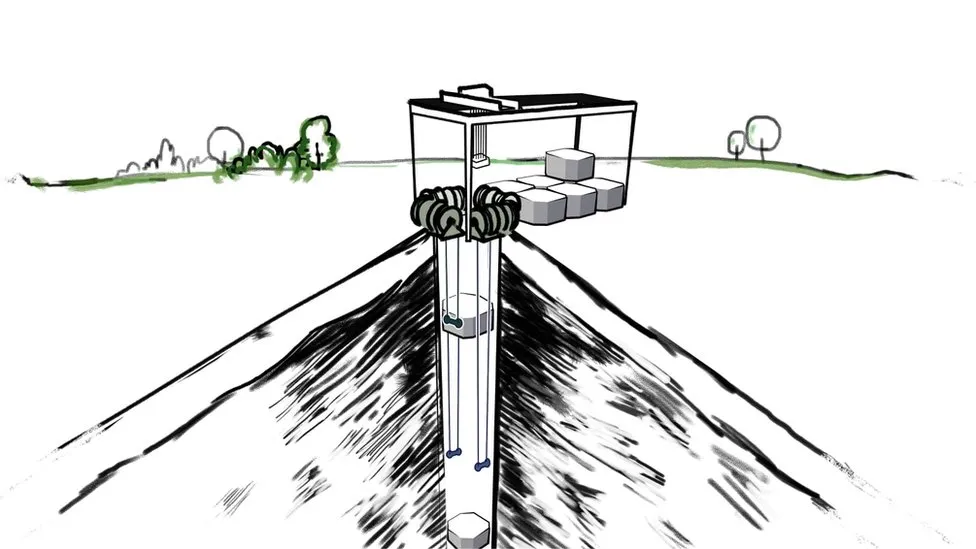
Gravity batteries are a type of energy storage system that utilizes the potential energy of elevated weights to store and generate electricity. The system consists of a set of weights that are lifted to a certain height, and then allowed to fall, generating electricity in the process. This form of energy storage has several potential advantages over other forms of energy storage, such as batteries.


Advantages of Gravity Batteries

One of the key advantages of gravity batteries is their ability to provide long-term energy storage without the need for expensive or environmentally harmful batteries. Gravity batteries are designed to last for decades and require little maintenance, making them an attractive option for applications that require long-term energy storage.

Another advantage of gravity batteries is scalability. They can be scaled up for large-scale grid applications, or scaled down for use in homes and businesses. This versatility makes them a potentially useful solution for a wide range of energy storage needs.

Finally, gravity batteries have the potential to play a key role in the transition to a more sustainable energy future. By providing a reliable and consistent source of energy storage, they can help to support the growth of renewable energy generation systems such as wind and solar power.


Approaches to Building a Gravity Battery

There are several approaches to building a gravity battery. One approach is to use a system of pulleys and weights. In this system, weights are lifted to a certain height using a pulley system and allowed to fall, generating electricity in the process.

Another approach is to use a hydraulic system using water. In this system, water is used to lift and lower weights, similar to a hydraulic system. The weight is lifted by pumping water into a cylinder and then allowed to fall by releasing the water from the cylinder.

There are also other potential approaches to building a gravity battery, such as using compressed air to lift and lower weights.


Challenges and Limitations of Gravity Batteries

Despite their potential advantages, gravity batteries also face several challenges and limitations. One major challenge is efficiency. Gravity batteries require energy to lift weights, which can reduce the overall efficiency of the system. Additionally, the generator used to convert the falling weight's potential energy into electricity may not be very efficient, further reducing the system's overall efficiency.

Another challenge is the cost of building and maintaining gravity battery infrastructure. While the long lifespan of gravity batteries makes them cost-effective in the long term, the initial investment required can be significant.

Finally, there are other challenges that need to be addressed, such as the potential environmental impact of gravity battery infrastructure, as well as the need for proper safety protocols to ensure the safe operation of the system.


Research and Development of Gravity Batteries

Despite these challenges, there have been several experimental gravity battery projects undertaken, some of which have shown promising results. For example, Gravity Power LLC developed the Gravity Power Module (GPM), which is a closed-loop system that uses water to lift and lower weights. The GPM has the potential to store large amounts of energy and could be used to provide backup power for grid-scale applications.

Another experimental gravity battery is the Energy Vault system, which uses concrete blocks to store energy. The blocks are lifted using a crane system and then released to generate electricity. The Energy Vault system has the potential to provide energy storage for large-scale renewable energy generation systems.

Research is ongoing to improve the efficiency and scalability of gravity battery technology. For example, researchers are exploring the use of advanced materials and designs to reduce the energy required to lift weights, as well as to improve the efficiency of the generator.


Future Potential of Gravity Batteries

The potential applications of gravity batteries are numerous. They could be used to provide backup power for grid-scale applications, ensuring a reliable and consistent supply of energy. They could also be used to store energy for off-grid communities, helping to bring sustainable and affordable energy to remote areas.

Gravity batteries could also play a role in supporting renewable energy generation systems. By providing reliable and consistent energy storage, they could help to improve the stability and reliability of the grid, making it easier to integrate large amounts of renewable energy into the system.


Conclusion

In conclusion, gravity batteries represent a promising new frontier in energy storage technology. While there are challenges and limitations to be addressed, the potential benefits of gravity batteries are significant. Continued research and development will likely lead to an increasingly important role in the transition to a more sustainable and resilient energy system. By providing long-term energy storage, scalability, and potential applications in a wide range of contexts, gravity batteries offer a promising solution to the challenges of energy storage in a world that is increasingly focused on sustainability and renewable energy.

Read More
  • Share This:  
  •  Facebook
  •  Twitter
  •  Google+
  •  Stumble
  •  Digg

Wednesday, 22 February 2023

Calculating the Cost of Installing Solar Panels for an Indian Home

 February 22, 2023     Solar     No comments   

 As the world moves towards sustainable and eco-friendly solutions, solar power has emerged as a viable alternative to traditional energy sources. In India, the government is promoting solar energy and offering subsidies to encourage people to switch to solar power. If you’re considering installing a solar PV system for your house, here’s how you can calculate the cost.


The cost of a solar PV system depends on various factors like the size of the system, the type of panels, and the installation charges. Here is an example of how you can calculate the cost for a 3kW system for an Indian house.

  1. Calculate the electricity consumption: The first step is to calculate the electricity consumption of your house. For this, you can look at your electricity bills for the last 12 months and determine the average monthly consumption. Let’s assume that your average monthly consumption is 300 units.
  2. Determine the system size: The next step is to determine the size of the solar PV system you need. A 3kW system is suitable for a house that has an average monthly consumption of 300 units. So, we’ll go with a 3kW system for this example.
  3. Calculate the cost of solar panels: The cost of solar panels varies based on the type and quality of the panels. For this example, let’s assume that the cost of the panels is Rs. 35 per watt. So, the total cost of the panels would be Rs. 1,05,000 (35*3000).
  4. Calculate the cost of other components: Apart from the panels, a solar PV system includes other components like inverters, batteries, and cables. The cost of these components would be around Rs. 40,000.
  5. Calculate the installation charges: The installation charges for a 3kW system would be around Rs. 30,000.
  6. Calculate the subsidy: The Indian government offers a subsidy of 40% on the cost of the solar PV system. So, the subsidy for this system would be Rs. 58,000.
  7. Calculate the net cost: The net cost of the system would be the total cost of the system minus the subsidy. So, the net cost would be Rs. 1,17,000 (1,45,000 - 58,000).

Here’s a table summarizing the cost calculation for a 3kW solar PV system for an Indian house.

Component Cost
Solar Panels Rs. 1,05,000
Inverters, batteries, cables Rs. 40,000
Installation Charges Rs. 30,000
Subsidy Rs. 58,000
Net Cost Rs. 1,17,000


In conclusion, the cost of a solar PV system for an Indian house depends on various factors, but it’s a one-time investment that can provide long-term benefits. With the government’s push towards renewable energy and the falling cost of solar panels, it’s the right time to switch to solar power.

Installing a solar PV system for your house not only helps reduce your carbon footprint but also helps you save money in the long run. The system will generate electricity for at least 25 years and the cost of the electricity generated is much lower than the cost of electricity from the grid.

In addition to the financial benefits, a solar PV system also adds value to your property. The system can be a selling point when you decide to sell your house.

While the initial investment for a solar PV system may seem high, it’s important to consider the long-term benefits. The payback period for a 3kW system is around 5 years, after which you’ll start saving money on your electricity bills.

To sum it up, installing a solar PV system for your Indian house is a smart investment that not only helps you save money but also contributes to a cleaner environment. So, if you’re considering switching to solar power, go ahead and make the move.


Read More
  • Share This:  
  •  Facebook
  •  Twitter
  •  Google+
  •  Stumble
  •  Digg

Calculating the Cost of Installing a Solar PV System: A Step-by-Step Guide

 February 22, 2023     Solar     No comments   

 Solar PV systems are becoming increasingly popular as a way to generate renewable energy and reduce reliance on traditional power sources. However, many people are unsure about the cost of installing a solar PV system. In this blog, we will provide a detailed guide on how to calculate the cost of the installation of a solar PV system.


Step 1: Determine your energy needs

Before you can calculate the cost of your solar PV system, you need to know how much energy you need. You can look at your utility bills to determine your energy consumption in kilowatt-hours (kWh) per month or year. This information will help you determine the size of the solar PV system you need.


Step 2: Choose the size of your solar PV system

Based on your energy needs, you can determine the size of the solar PV system you need. Solar panel systems are typically sized in kilowatts (kW) and can range from 1 kW to 10 kW or more. A larger system will generate more energy, but it will also be more expensive.


Step 3: Determine the type of solar panels

There are different types of solar panels, such as monocrystalline, polycrystalline, and thin film. Each type has its own pros and cons, and the cost can vary accordingly. Monocrystalline panels are the most efficient, but they are also the most expensive. Polycrystalline panels are slightly less efficient but more affordable. Thin-film panels are the least efficient but the most affordable. You can research and compare the different types to determine the best fit for your needs.


Step 4: Get quotes from solar installers

Once you have determined the size and type of solar PV system you want, you can contact solar installers to get quotes. The cost of installation will depend on the complexity of the installation, such as whether the panels need to be mounted on a roof or on the ground, as well as the labour costs in your area. Be sure to ask for a detailed breakdown of the costs, including the cost of the panels, the cost of installation, and any other fees or taxes.


Step 5: Calculate the total cost

Once you have received quotes from solar installers, you can calculate the total cost of your solar PV system by adding up the cost of the panels, the cost of installation, and any other fees or taxes. Be sure to factor in any incentives or rebates that may be available in your area, as these can help offset the cost of installation.


Step 6: Consider incentives and rebates

There may be incentives and rebates available in your area that can help offset the cost of your solar PV system. For example, the federal government offers a solar investment tax credit (ITC) that allows you to deduct up to 26% of the cost of your solar PV system from your federal taxes. Some states and local governments also offer incentives and rebates, such as cash rebates or property tax exemptions. You can research these programs and factor them into your calculations.


In conclusion, the cost of installing a solar PV system can vary widely depending on your specific circumstances. It's important to do your research and compare quotes from multiple installers to get the best price. By following the steps outlined above, you can determine the cost of installation of a solar PV system and make an informed decision about whether it's right for you. With solar energy, you can help reduce your carbon footprint and save money on your energy bills in the long run.

Read More
  • Share This:  
  •  Facebook
  •  Twitter
  •  Google+
  •  Stumble
  •  Digg

Monday, 20 February 2023

Metal Hydride Storage: A Promising Option for Hydrogen Storage

 February 20, 2023     Energy storage     No comments   


Introduction:


Hydrogen has the potential to be an important source of clean energy for transportation, industry, and residential applications. However, one of the biggest challenges of using hydrogen is storing it safely and efficiently. There are several methods of hydrogen storage, including metal hydride storage, compressed gas storage, liquid hydrogen storage, chemical storage, and solid hydrogen storage. In this blog, we will focus on metal hydride storage, its benefits and challenges, and its future use.


Metal Hydride Storage:


Metal hydride storage is a hydrogen storage method that uses certain metal alloys to absorb and release hydrogen gas. When hydrogen gas is introduced to the metal, it reacts with the metal to form a metal hydride compound. This compound can store large amounts of hydrogen gas within its crystal structure. When heat is applied or pressure is lowered, the metal hydride compound releases the stored hydrogen gas.


Benefits of Metal Hydride Storage:


Metal hydride storage has several benefits, including safety, reliability, and ease of use. Compared to other hydrogen storage methods like compressed gas or liquid hydrogen, metal hydride storage is safer because the metal hydride compounds are stable and do not pose a risk of explosion or fire. Additionally, metal hydride storage is reliable because the hydrogen gas is stored within the crystal structure of the metal hydride compound, which means it is less likely to leak or escape. Metal hydride storage is also easy to use because the hydrogen can be released by simply applying heat or reducing pressure, without the need for complicated infrastructure or equipment.


Challenges of Metal Hydride Storage:


Despite its benefits, metal hydride storage has several challenges, including cost, capacity, and performance. The metal alloys used in metal hydride storage can be expensive, which can make this storage method more costly than other hydrogen storage options. Additionally, the capacity of metal hydride storage can be limited, depending on the specific metal hydride compound used. Finally, the performance of metal hydride storage can be affected by factors like temperature, pressure, and hydrogen purity, which can limit its effectiveness in certain applications.


Other Methods of Hydrogen Storage:


In addition to metal hydride storage, there are several other methods of hydrogen storage, including:

  • Compressed Gas Storage: 

Hydrogen gas can be compressed and stored in high-pressure tanks.

  • Liquid Hydrogen Storage: 

Hydrogen gas can be cooled to extremely low temperatures to convert it into a liquid, which takes up less space than compressed gas.

  • Chemical Storage: 

Hydrogen can be stored in chemical compounds, such as metal-organic frameworks (MOFs), ammonia, or liquid organic hydrogen carriers (LOHCs).

  • Solid Hydrogen Storage: 

Solid hydrogen is a dense form of hydrogen gas that has been compressed and cooled to extremely low temperatures until it reaches a solid state.

Each of these storage methods has its own advantages and challenges, and the most appropriate method depends on the specific application and requirements.


Future Use of Metal Hydride Storage:


Metal hydride storage has several potential future uses, particularly in transportation and energy storage applications. In transportation, metal hydride storage could be used in fuel cell vehicles to provide a safe and reliable source of hydrogen fuel. Additionally, metal hydride storage could be used in stationary energy storage systems to store excess renewable energy, such as solar or wind power. However, to fully realize the potential of metal hydride storage, further research and development is needed to improve its capacity, performance, and cost-effectiveness.


Conclusion:


In conclusion, there are several methods of hydrogen storage, each with its own advantages and challenges. Metal hydride storage is one of these methods, and it has the benefits of safety, reliability, and ease of use, but also faces challenges related to cost, capacity, and performance. Despite these challenges, metal hydride storage has the potential for future use in transportation and energy storage applications.

As hydrogen becomes an increasingly important source of clean energy, the development of efficient and effective hydrogen storage methods will be crucial. Metal hydride storage is just one of several promising options, and ongoing research and development will be necessary to optimize its performance and ensure its cost-effectiveness. By exploring and advancing different methods of hydrogen storage, we can create a cleaner, more sustainable future for all.

Read More
  • Share This:  
  •  Facebook
  •  Twitter
  •  Google+
  •  Stumble
  •  Digg

Friday, 17 February 2023

Exploring the Evolution of Battery and Energy Storage Technology: Emerging Solutions and Future Possibilities

 February 17, 2023     Energy storage     No comments   


Introduction


Energy storage technology is vital in today's world, and its importance is growing with time. The increased reliance on technology has made it essential to have efficient and reliable energy storage solutions. Battery technology has been the primary energy storage method for decades, but other alternatives are emerging that promise to revolutionize the industry. In this blog, we will explore the history and evolution of battery technology and take a closer look at some of the emerging energy storage solutions that could transform the way we power the world.


History of Battery Technology


The history of batteries dates back to the late 18th century, when Italian scientist Alessandro Volta invented the first battery, known as the voltaic pile. This primitive battery consisted of alternating layers of zinc and copper discs, separated by pieces of cardboard soaked in saltwater. Since then, battery technology has evolved significantly, with new materials and designs constantly being developed to improve efficiency and longevity.


The modern-day batteries come in various forms and sizes, from the humble AA battery in your TV remote to the massive battery packs used in electric vehicles and energy storage systems. The most common type of battery used today is the lithium-ion battery, which has become the go-to option for everything from smartphones to electric cars.


The lithium-ion battery has a number of advantages over other types of batteries, such as its high energy density, low self-discharge rate, and longer lifespan. However, lithium-ion batteries also have some drawbacks, such as being prone to overheating and exploding, which has led to a growing interest in alternative energy storage solutions.


Emerging Energy Storage Solutions


While lithium-ion batteries are currently the most widely used energy storage solution, other technologies are emerging that have the potential to revolutionize the industry. Let's take a closer look at some of these alternatives.


  • Flow Batteries

Flow batteries are a type of rechargeable battery that uses two chemical components dissolved in liquids separated by a membrane. When the battery is charged or discharged, the liquids flow past each other, generating or storing energy. Flow batteries have the potential to be more efficient than lithium-ion batteries and can be used in large-scale energy storage systems.


Flow batteries have been used in a number of applications, including grid-level energy storage and backup power for data centers. One of the major advantages of flow batteries is their ability to be scaled up or down to meet the needs of the specific application. Flow batteries also have a longer lifespan than traditional batteries and are less prone to the thermal runaway that can cause fires and explosions in lithium-ion batteries.


  • Solid-State Batteries

Solid-state batteries are a type of rechargeable battery that uses a solid electrolyte instead of the liquid electrolyte used in lithium-ion batteries. Solid-state batteries have the potential to be more efficient and safer than lithium-ion batteries, as they are less prone to overheating and exploding.


Solid-state batteries have a number of advantages over lithium-ion batteries, including their higher energy density and longer lifespan. They also have the potential to be faster to charge and discharge, which would make them ideal for use in electric vehicles.

  • Supercapacitors

Supercapacitors are a type of energy storage device that stores energy in an electric field rather than a chemical reaction. Supercapacitors have the potential to be more efficient than batteries and can be charged and discharged faster. They also have a longer lifespan than traditional batteries.


Supercapacitors have a number of advantages over traditional batteries, including their higher power density and faster charge and discharge times. They are also less prone to degradation over time, which means they can be used for longer periods without needing to be replaced.


Conclusion


Battery and energy storage technology has come a long way since the invention of the voltaic pile over 200 years ago. Today, lithium-ion batteries are the most widely used energy storage solution, but emerging technologies such as flow batteries, solid-state batteries, and supercapacitors are showing great potential to revolutionize the industry.


As the demand for energy storage solutions continues to grow, it is essential to continue developing new and innovative technologies that can meet the needs of a rapidly changing world. Energy storage is critical to the transition to renewable energy sources, and these emerging technologies could play a vital role in achieving a sustainable future.


It is worth noting that each of these emerging technologies has its own set of advantages and disadvantages, and there is no one-size-fits-all solution. The choice of energy storage technology will depend on the specific application and the requirements of the end-user. For example, flow batteries may be ideal for large-scale energy storage systems, while supercapacitors may be better suited for applications that require fast charge and discharge times.


In conclusion, the evolution of battery and energy storage technology has been remarkable, and the emerging technologies discussed in this blog have the potential to revolutionize the industry. As the demand for energy storage solutions continues to grow, it is essential to continue developing new and innovative technologies that can meet the needs of a rapidly changing world. By doing so, we can work towards a sustainable future and ensure that we have access to reliable and efficient energy storage solutions for years to come.

Read More
  • Share This:  
  •  Facebook
  •  Twitter
  •  Google+
  •  Stumble
  •  Digg

Revolutionizing Wind Energy with Toroidal Wings: An Innovative Approach to Efficient Wind Turbines

 February 17, 2023     Wind     No comments   


Wind turbines are a remarkable and efficient source of renewable energy, but the search for better technology and more output is never-ending. In recent years, there has been increasing interest in the use of toroidal wings in wind turbines.

A toroidal wing is a donut-shaped type of wing that has a circular or torus shape. This design allows for a more effective transfer of energy, as the airflow is redirected back into the wind stream more efficiently than traditional flat wings.

The implementation of the toroidal wing design in wind turbines can lead to higher energy output while decreasing the amount of wind required to generate it. Unlike traditional wind turbines that only capture wind from the front, toroidal wings gather wind from all directions.

This type of wing design also provides the flexibility to operate in various wind conditions, including lower wind speeds. Toroidal wings in wind turbines are ideal for use in areas with irregular wind patterns, where traditional wind turbines may not be as effective.

Not only do toroidal wings provide functional benefits, but they also create a visually stunning appearance. The unique circular shape of the wings can be incorporated into the design of the turbine blades, resulting in an aesthetically pleasing and distinctive structure.

Although toroidal wings in wind turbines are a relatively recent innovation, they offer substantial promise for the future of renewable energy. As technology continues to progress, more wind turbines may adopt this design to increase efficiency and output, ultimately contributing to a more sustainable and environmentally friendly world.

One of the most significant benefits of toroidal wings is their ability to generate power at low wind speeds. While traditional wind turbines need a minimum wind speed of around 7-9 mph to generate power, toroidal wings can start generating electricity at wind speeds as low as 2 mph. This is because the unique design of the toroidal wings generates lift even in low wind conditions, allowing the turbine to spin and produce energy.

Toroidal wings also have an edge over traditional wind turbine blades in their ability to operate in turbulent wind conditions. Traditional wind turbines are vulnerable to damage from strong and erratic winds, but toroidal wings maintain a smooth and stable airflow, making them more reliable in turbulent wind conditions.

Furthermore, toroidal wings can be more compact and smaller than traditional wind turbine blades, making them an attractive option for installations in urban areas where space is at a premium.

Despite their potential benefits, toroidal wings are not yet widely used in the wind energy industry. One reason for this is the relatively high cost of development and manufacture compared to traditional wind turbine blades. Moreover, their unique design requires specialized knowledge and expertise, which can make them more challenging to manufacture and maintain.

In conclusion, toroidal wings in wind turbines offer a promising alternative to traditional wind turbine blades. They can generate power at lower wind speeds, operate more reliably in turbulent wind conditions, and are suitable for installation in urban areas due to their smaller size. As research and development in this area continue, it will be fascinating to see if toroidal wings become more widely adopted in the wind energy industry.
Read More
  • Share This:  
  •  Facebook
  •  Twitter
  •  Google+
  •  Stumble
  •  Digg
Newer Posts Older Posts Home

ez

Popular Posts

  • We are the experts in renewable energy: Clean facts you need to know
    As experts in the field of renewable energy, they are committed to promoting the use of clean, sustainable energy sources to power our world...
  • Exploring the Benefits of Solar Energy: Cost Savings, Environmental Impact, and More.
    Solar energy is a renewable source of energy that is rapidly gaining attention around the world. This type of energy is generated by the use...
  • Metal Hydride Storage: A Promising Option for Hydrogen Storage
    Introduction: Hydrogen has the potential to be an important source of clean energy for transportation, industry, and residential application...

Recent Posts

Categories

  • Biofuel
  • Energy storage
  • Environment
  • Green energy
  • Hydro
  • Pollution
  • Solar
  • Wind

Blog Archive

  • ▼  2023 (16)
    • ▼  April (1)
      • We are the experts in renewable energy: Clean fact...
    • ►  March (6)
      • Environmental Justice: Ensuring a Fair and Equitab...
      • Challenges and opportunities in aligning climate f...
      • Hybrid Renewable Energy Sources: A Sustainable Sol...
      • Investment in Green Hydrogen: This topic could exa...
      • Exploring the Benefits of Solar Energy: Cost Savin...
      • Perovskite Solar Cells: The Future of Solar Energy?
    • ►  February (6)
      • Gravity Battery - A New Frontier in Energy Storage
      • Calculating the Cost of Installing Solar Panels fo...
      • Calculating the Cost of Installing a Solar PV Syst...
      • Metal Hydride Storage: A Promising Option for Hydr...
      • Exploring the Evolution of Battery and Energy Stor...
      • Revolutionizing Wind Energy with Toroidal Wings: A...
    • ►  January (3)
  • ►  2022 (3)
    • ►  October (1)
    • ►  August (1)
    • ►  July (1)
  • ►  2021 (8)
    • ►  May (2)
    • ►  April (3)
    • ►  March (2)
    • ►  February (1)

We are the experts in renewable energy: Clean facts you need to know

As experts in the field of renewable energy, they are committed to promoting the use of clean, sustainable energy sources to power our world...

Categories

Labels

  • Biofuel
  • Energy storage
  • Environment
  • Green energy
  • Hydro
  • Pollution
  • Solar
  • Wind

Popular Posts

  • We are the experts in renewable energy: Clean facts you need to know
  • Exploring the Benefits of Solar Energy: Cost Savings, Environmental Impact, and More.

Search This Blog

Powered by Blogger.

Report Abuse

  • Home

Copyright © Renewable Exergy | Powered by Blogger
Design by Hardeep Asrani | Blogger Theme by NewBloggerThemes.com | Distributed By Gooyaabi Templates